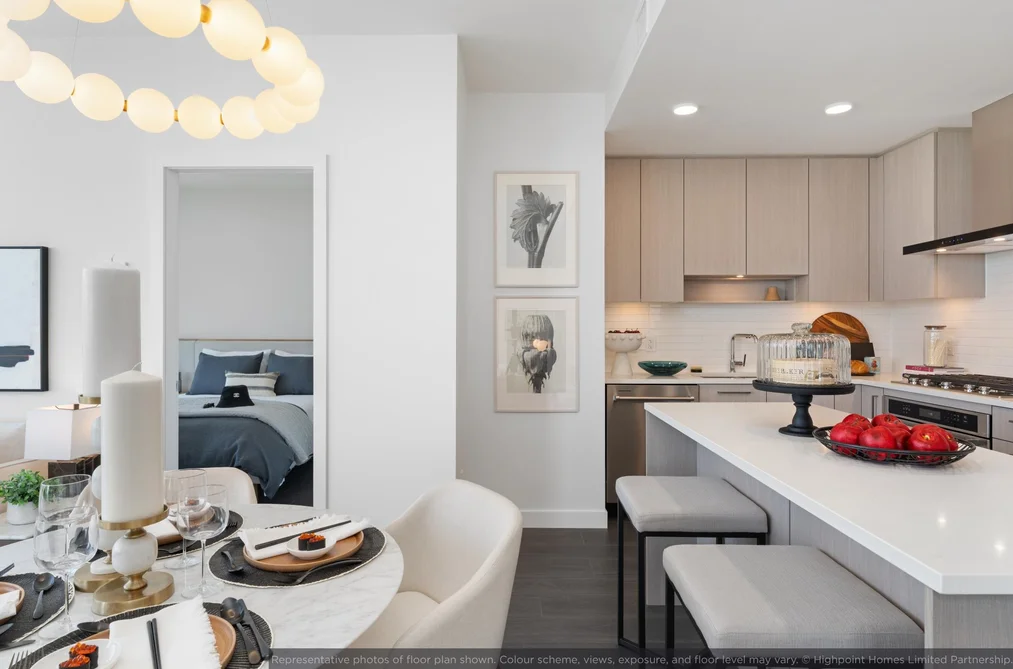
2207 1155 The High Street, Coquitlam, BC
•North CoquitlamFor Sale
2 days
- $499,000
- 1 bed
- 1 bath
- 586 sqft
- Built in 2012
MLS® R3164560
•Nu Stream Realty Inc.
Open Sat, Sep 19, 2 p.m.
Browse all properties for sale in Coquitlam, BC. Houses, condos, and townhouses.
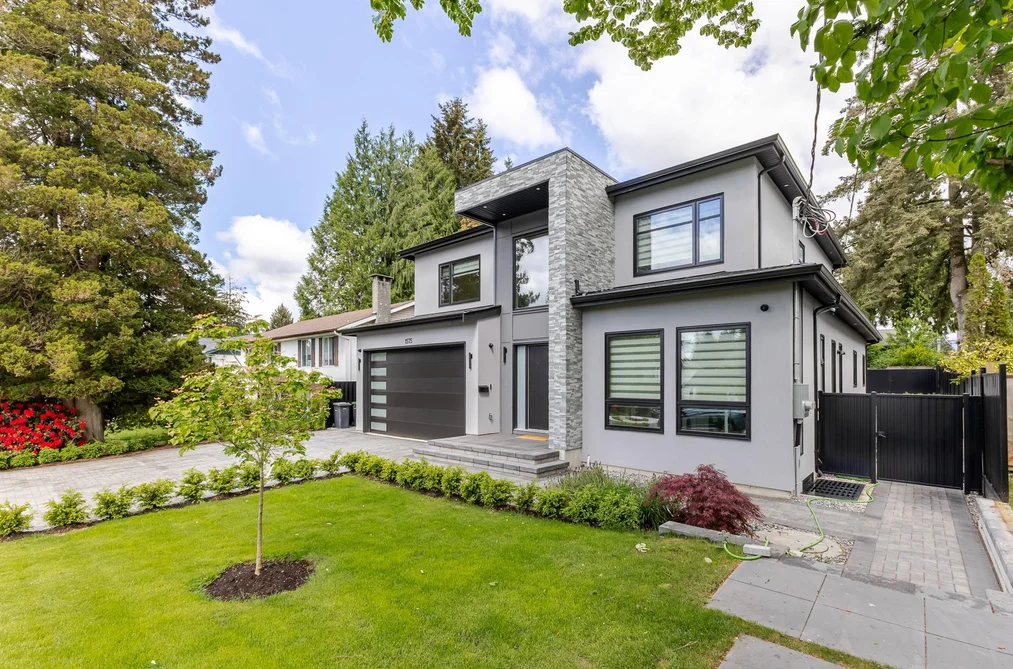
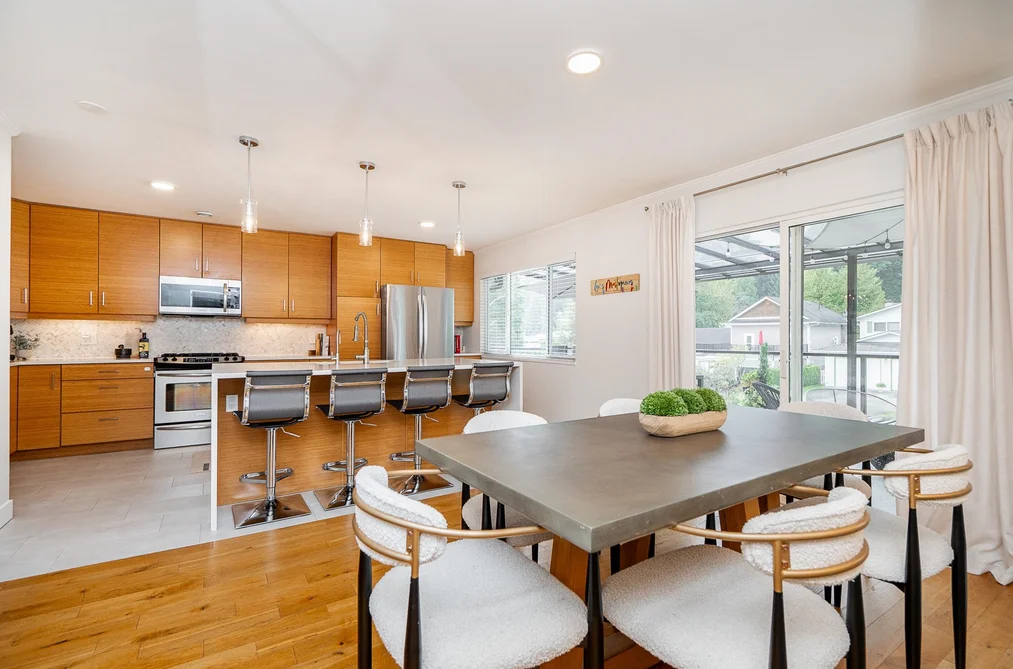
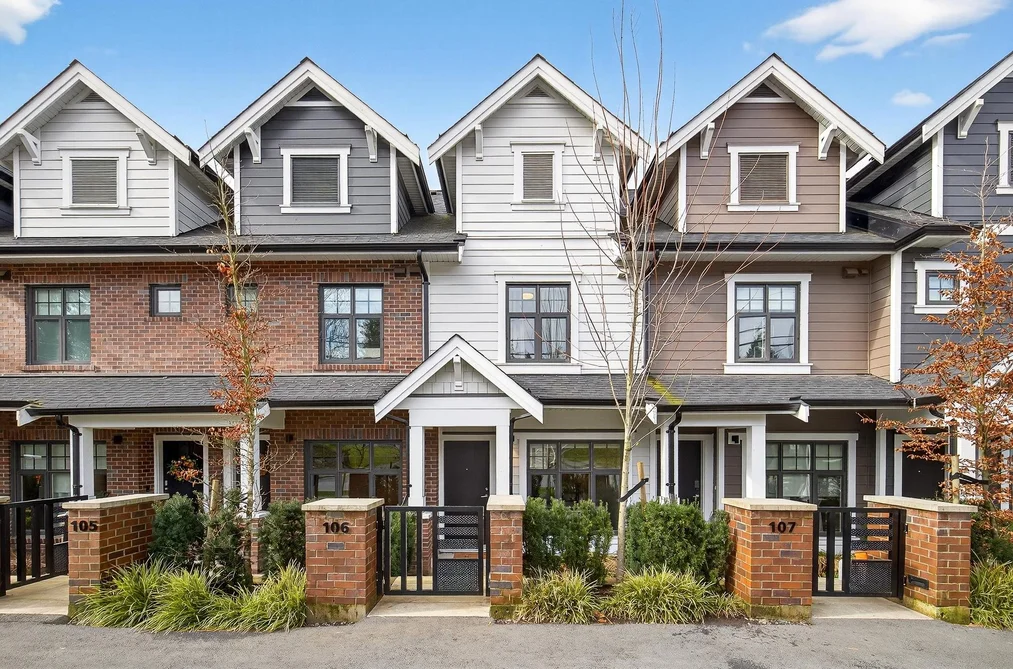
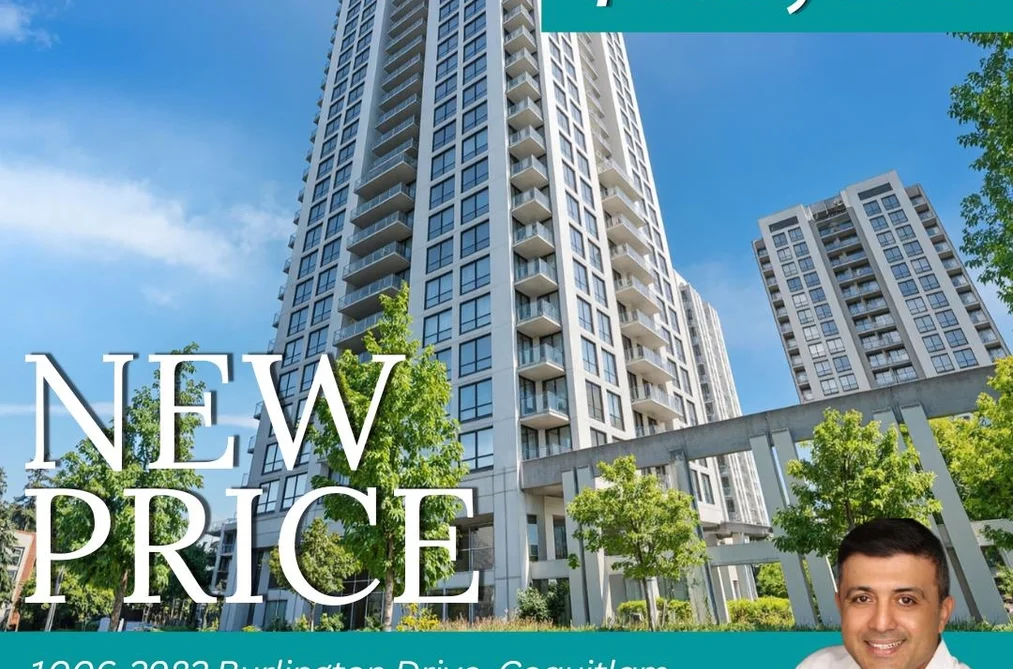
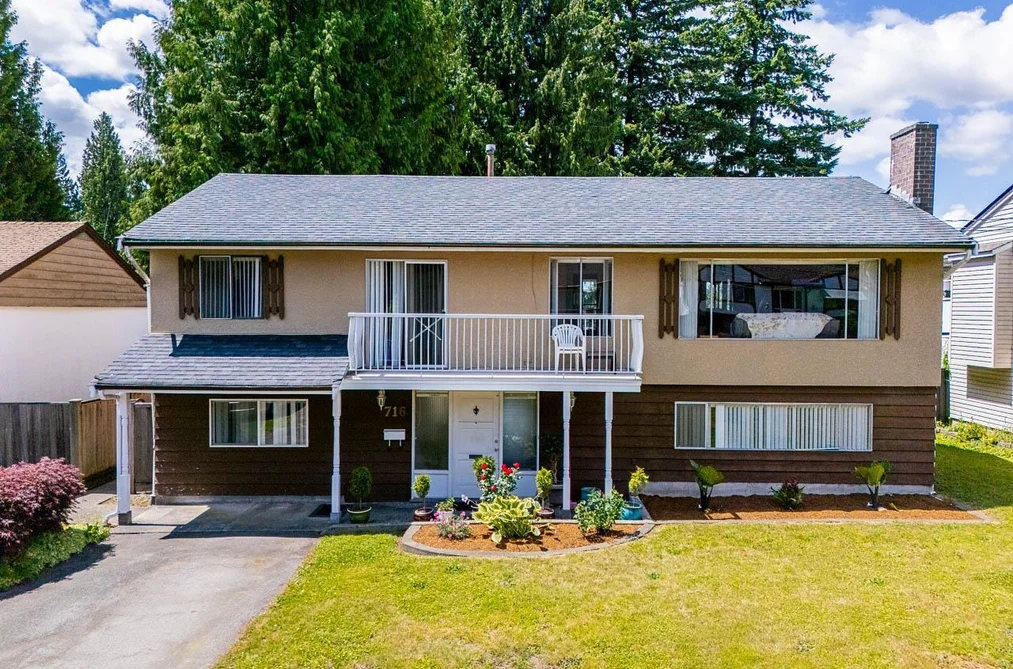
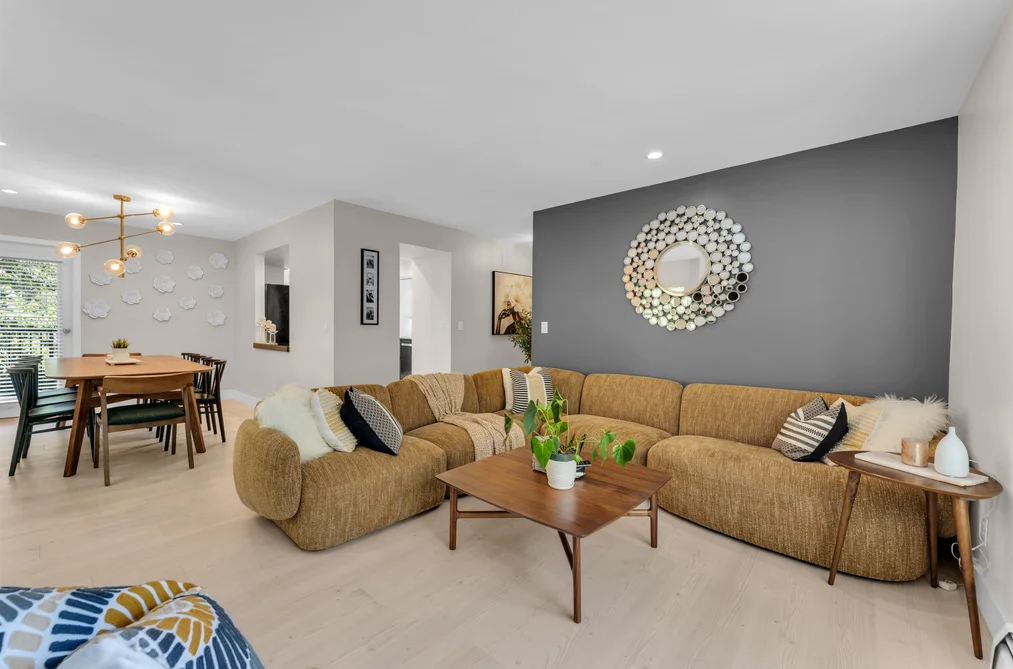
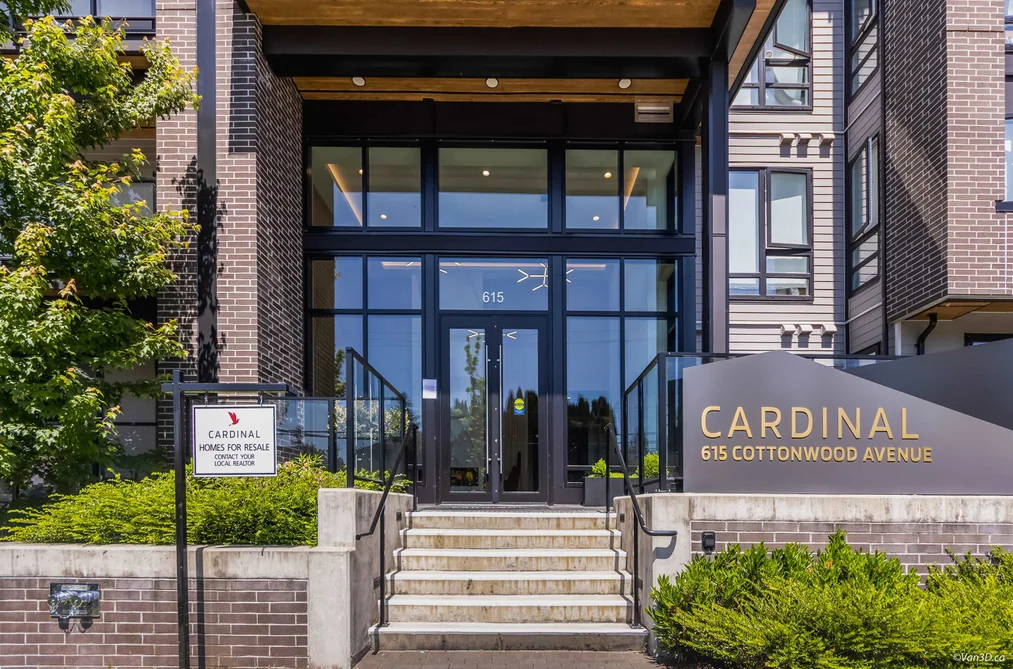
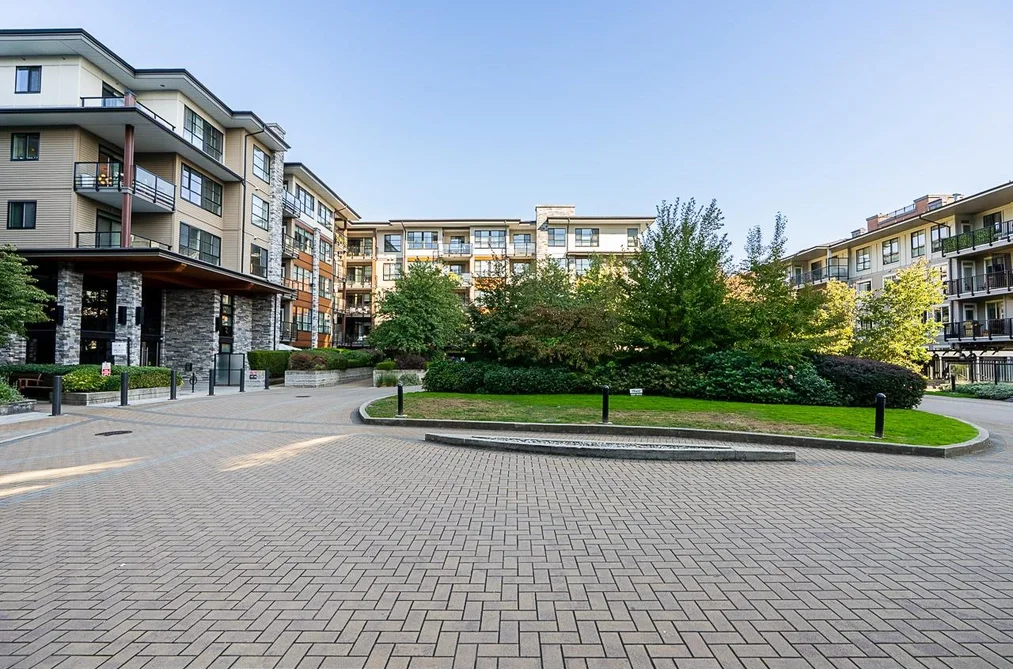
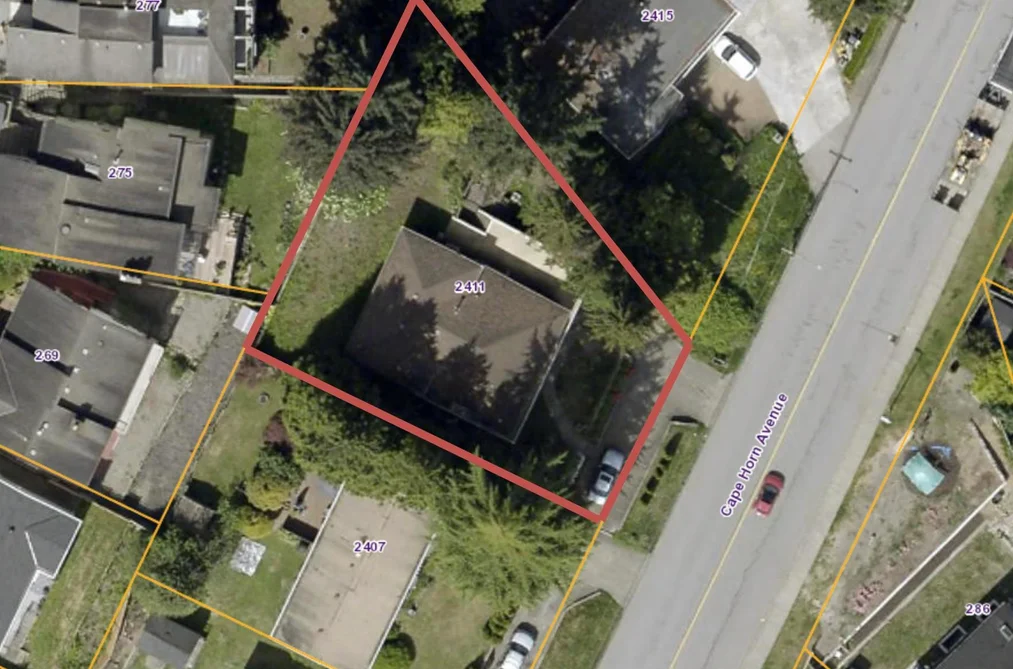
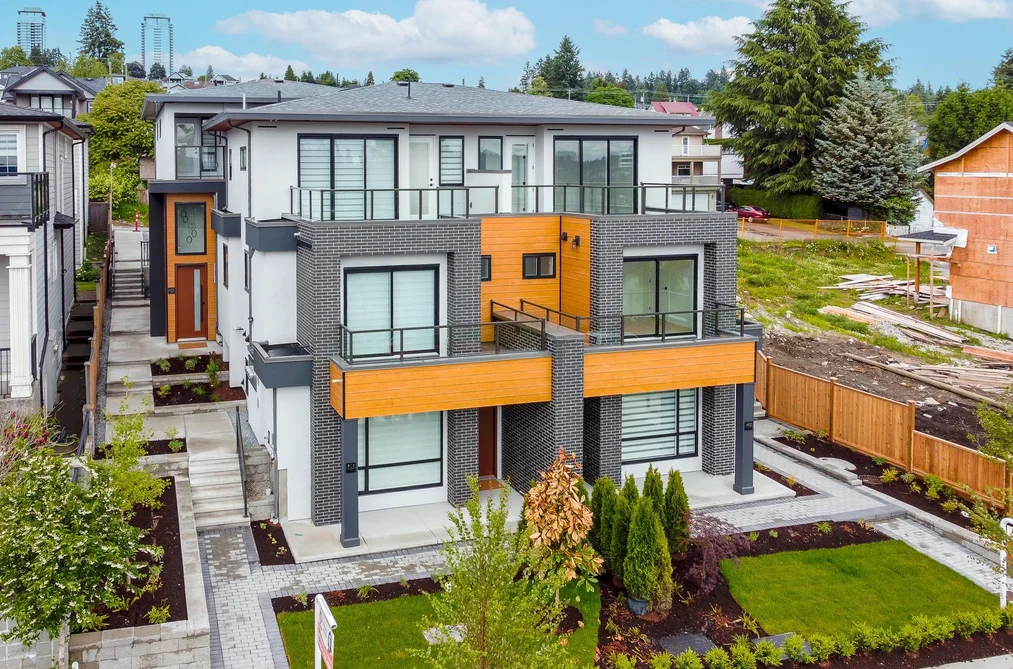
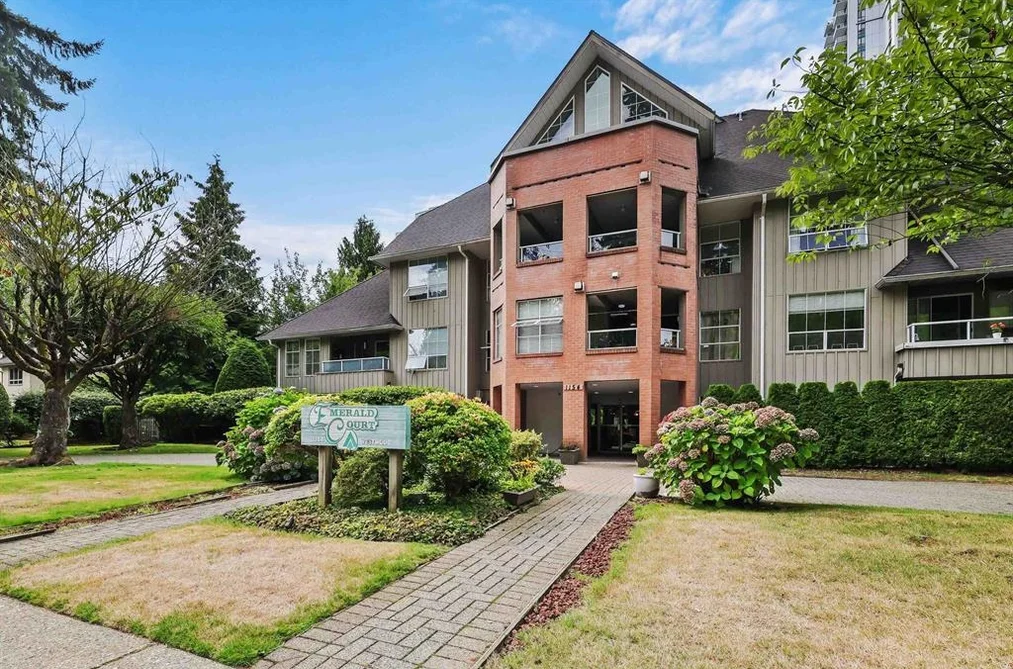
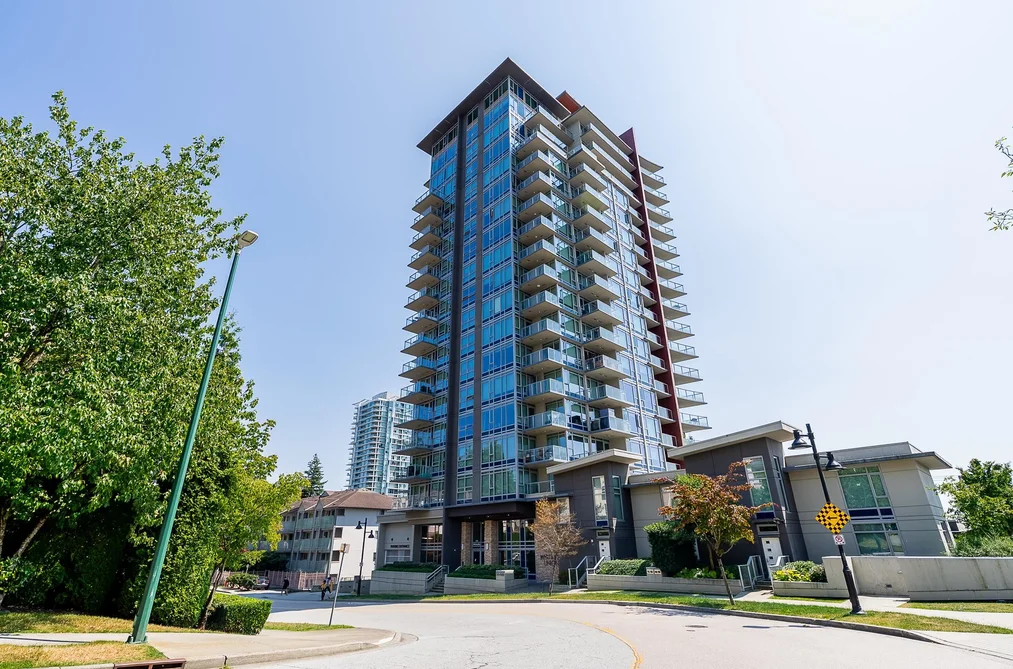
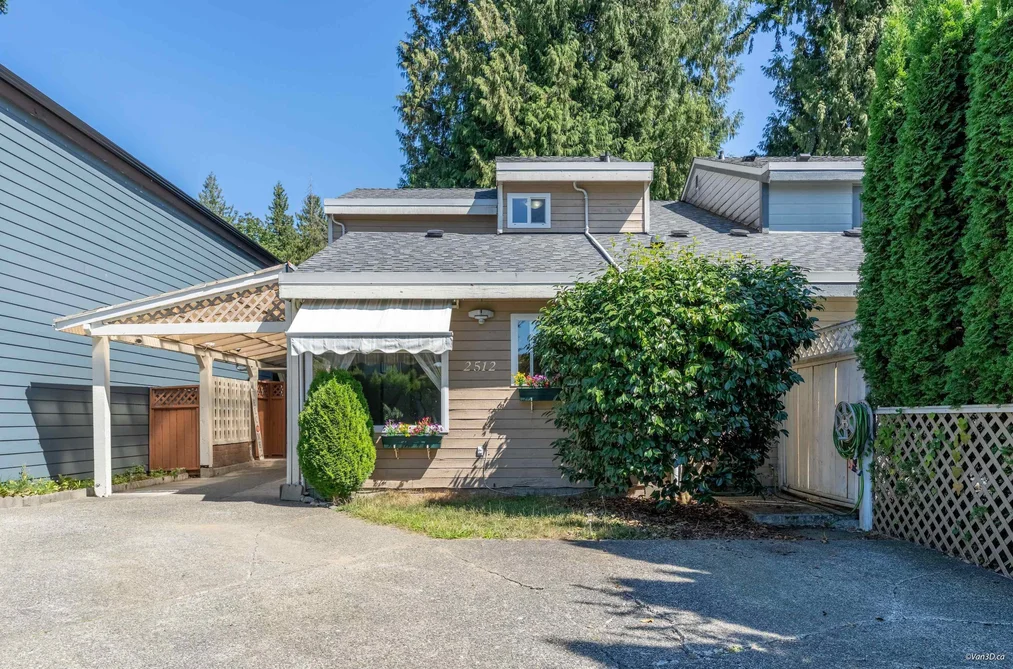
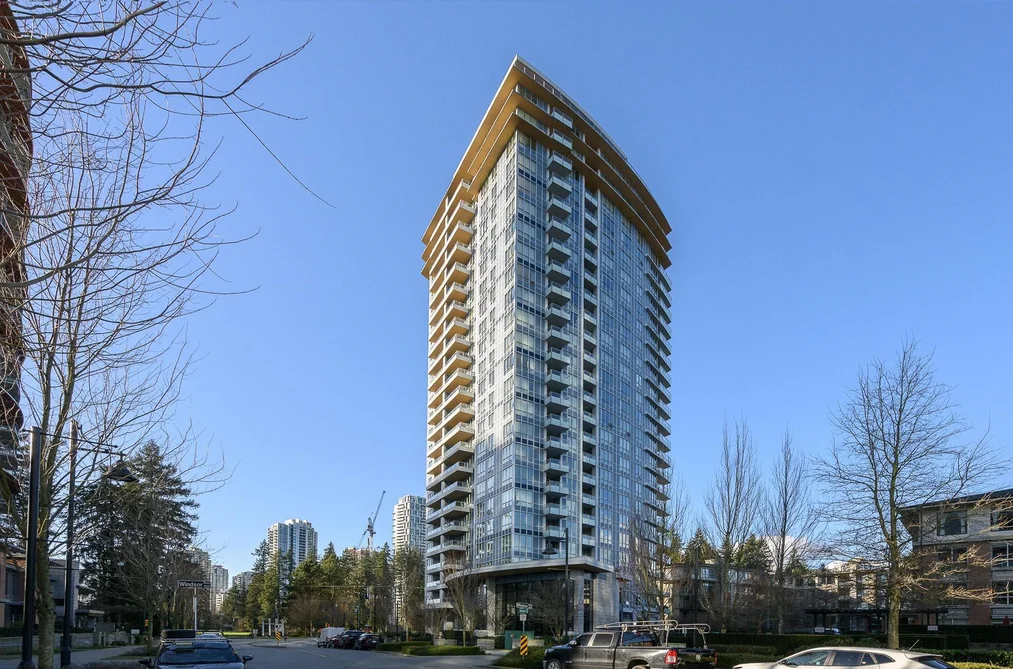
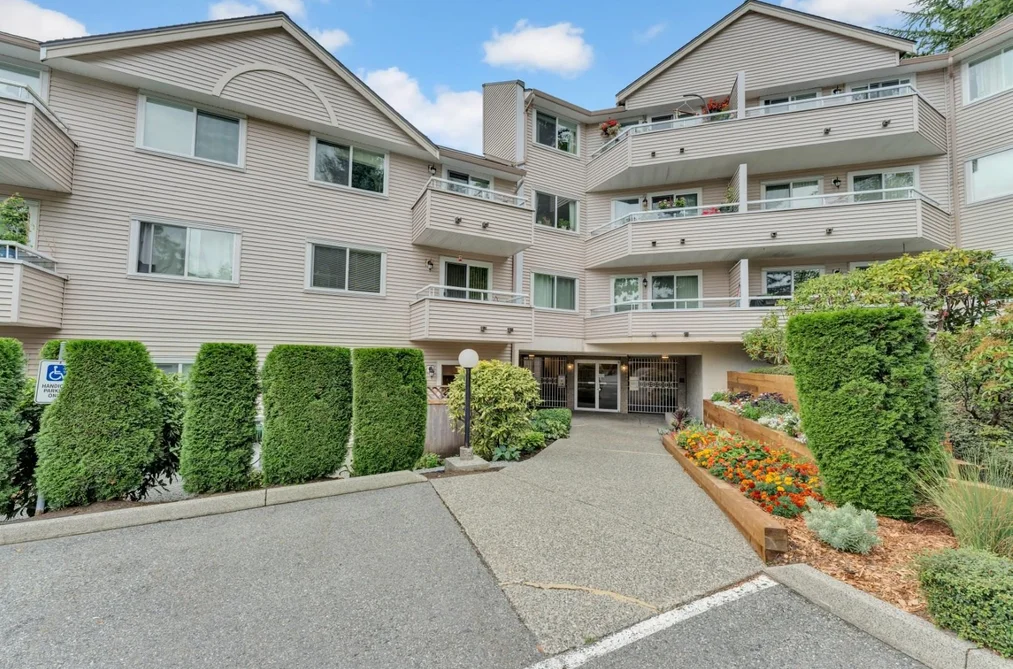
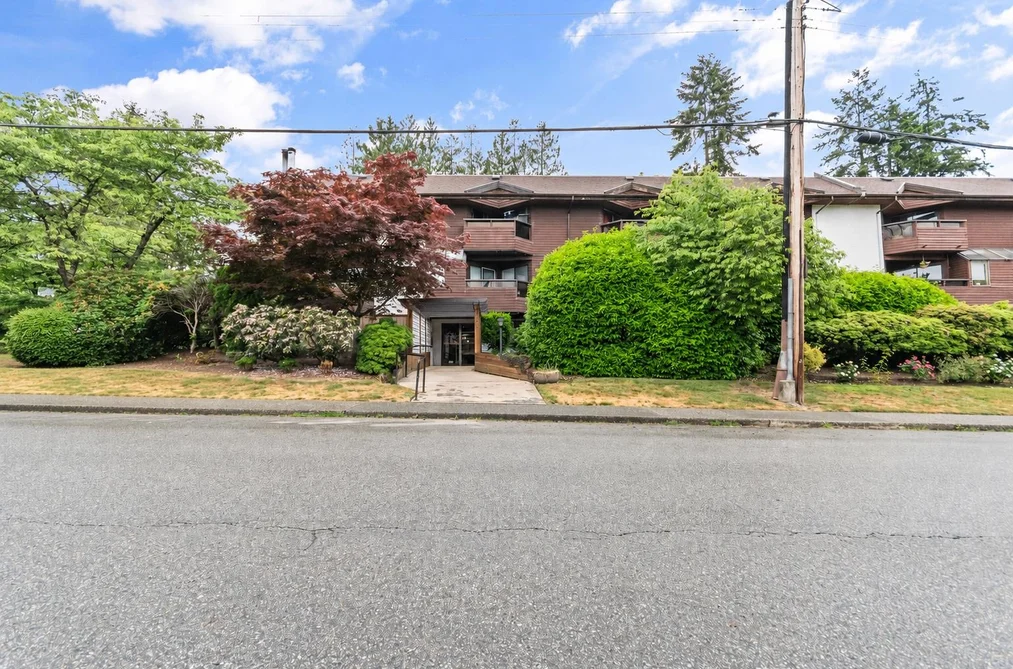
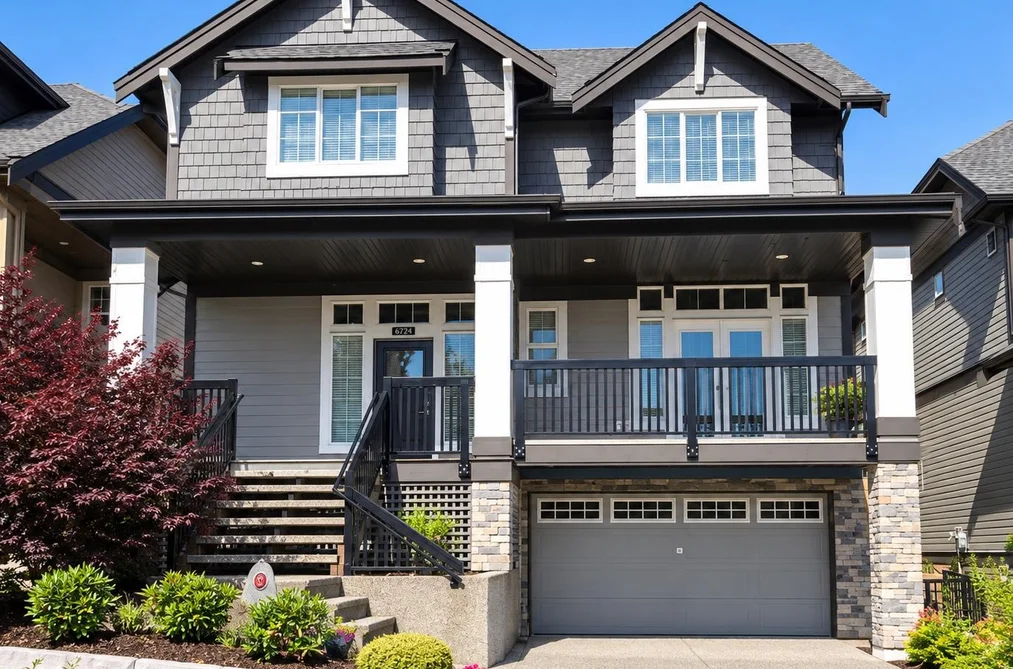
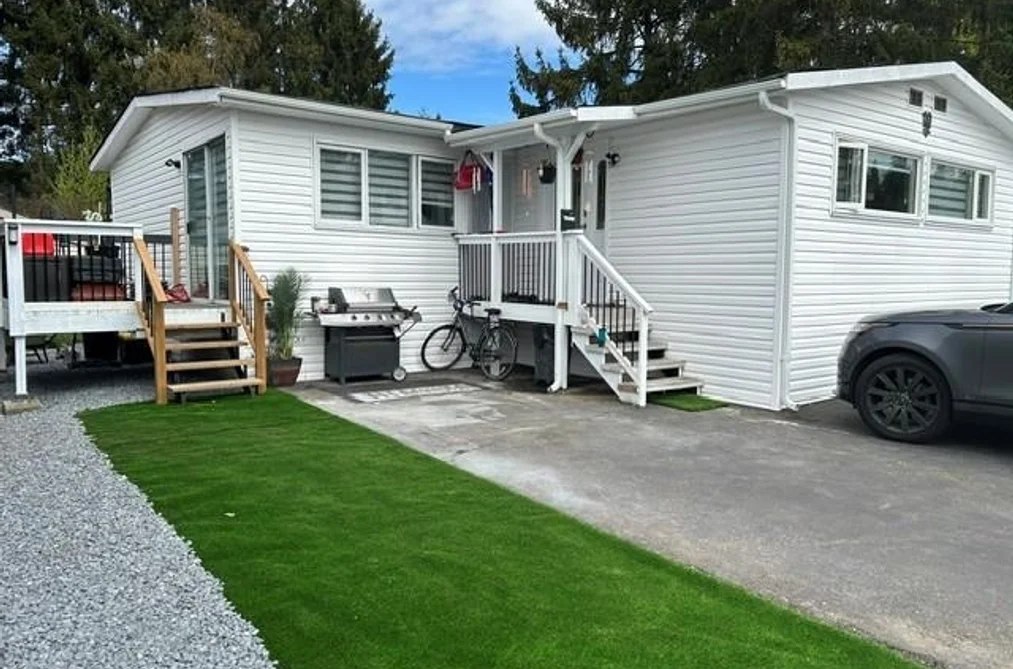
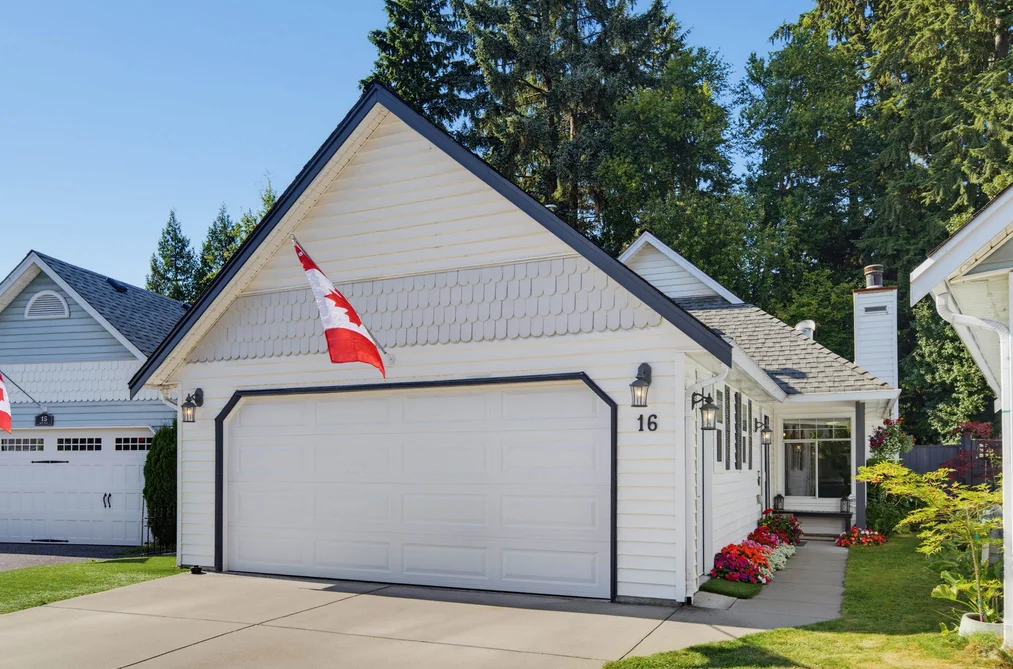
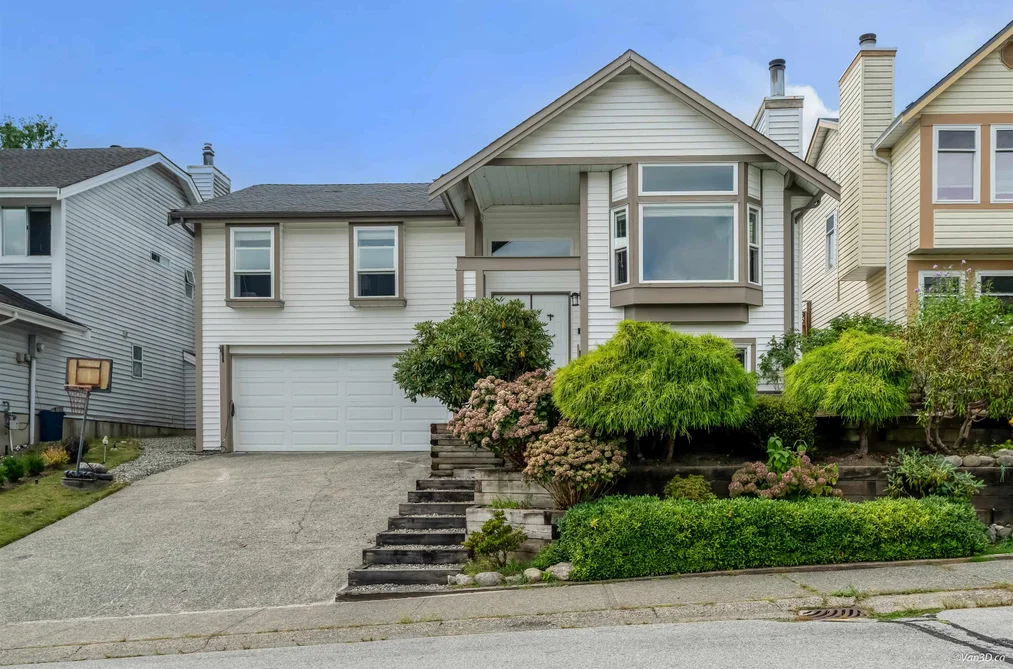
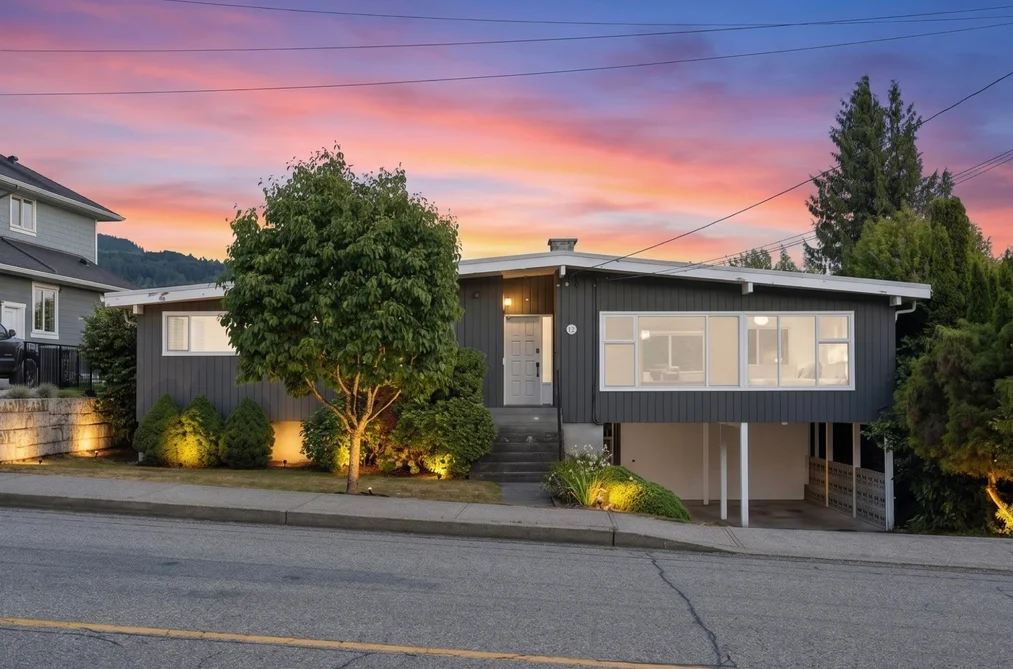
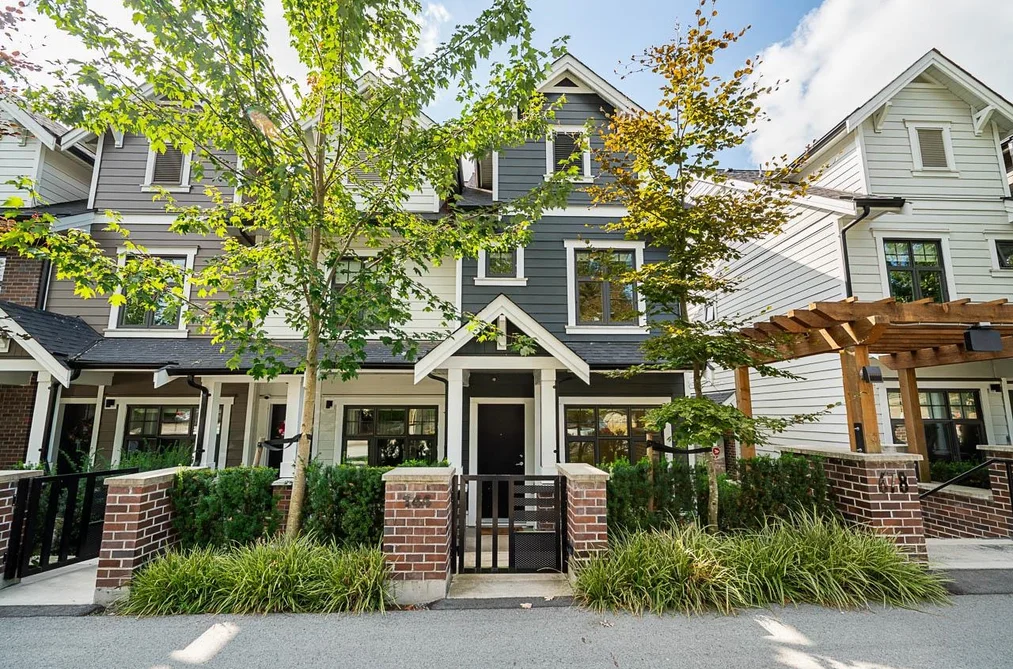
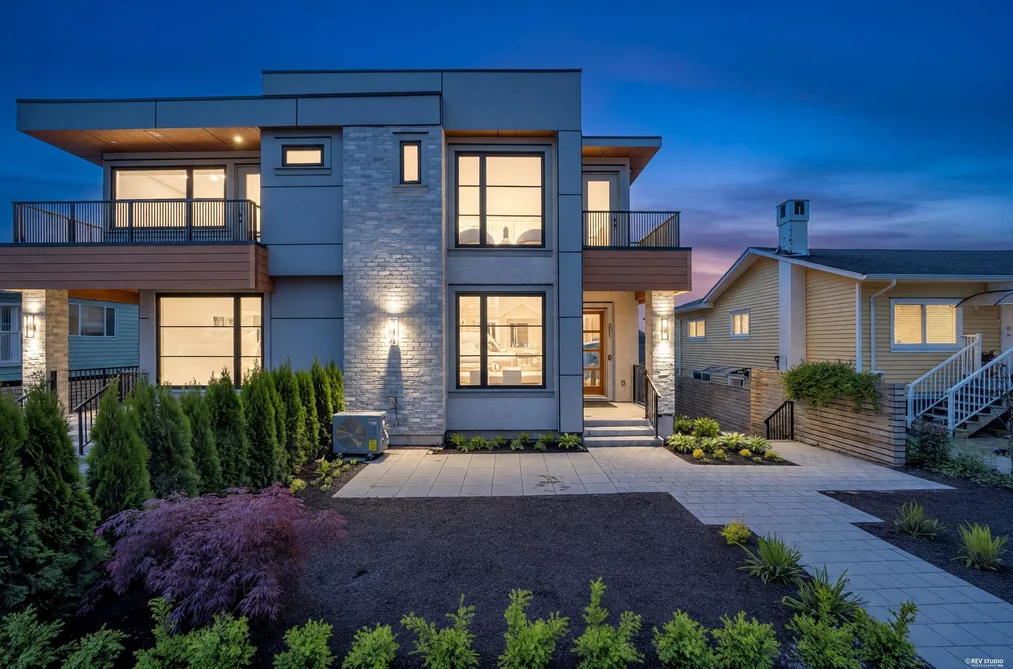
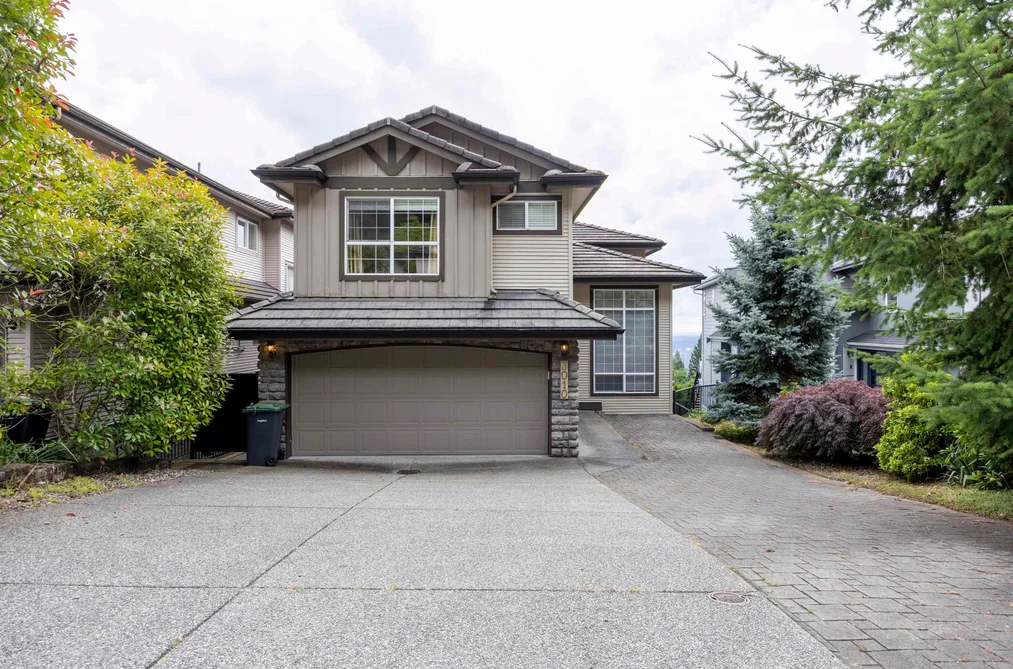
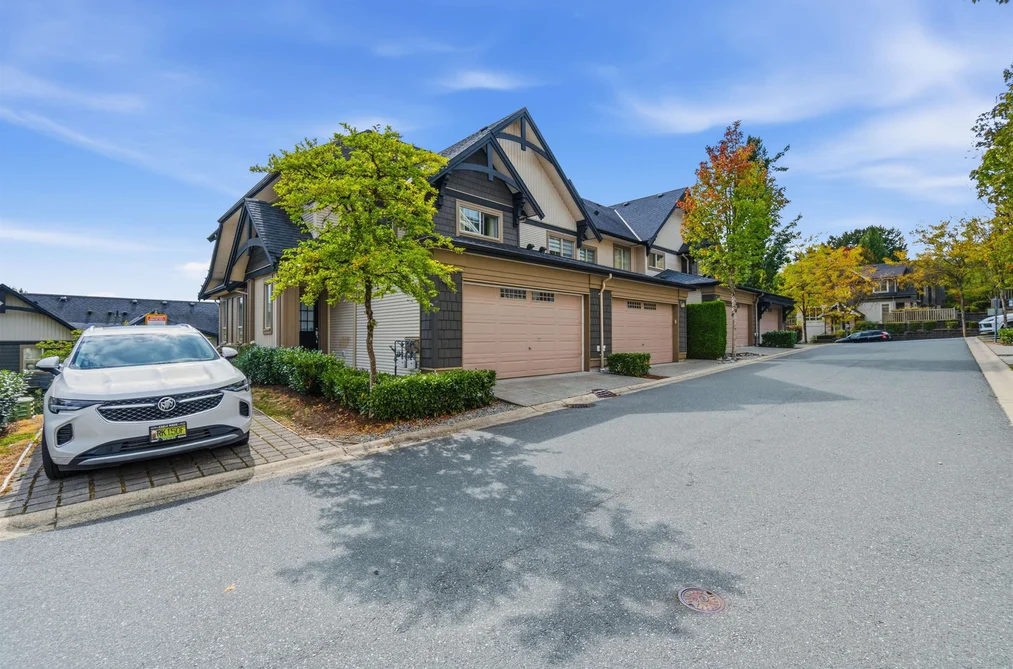
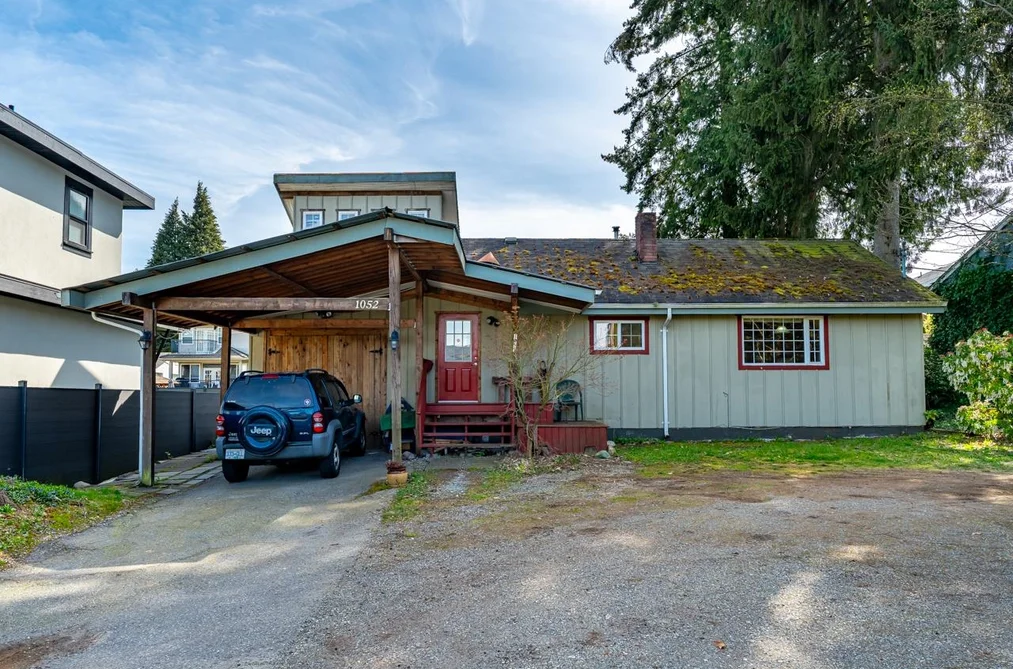
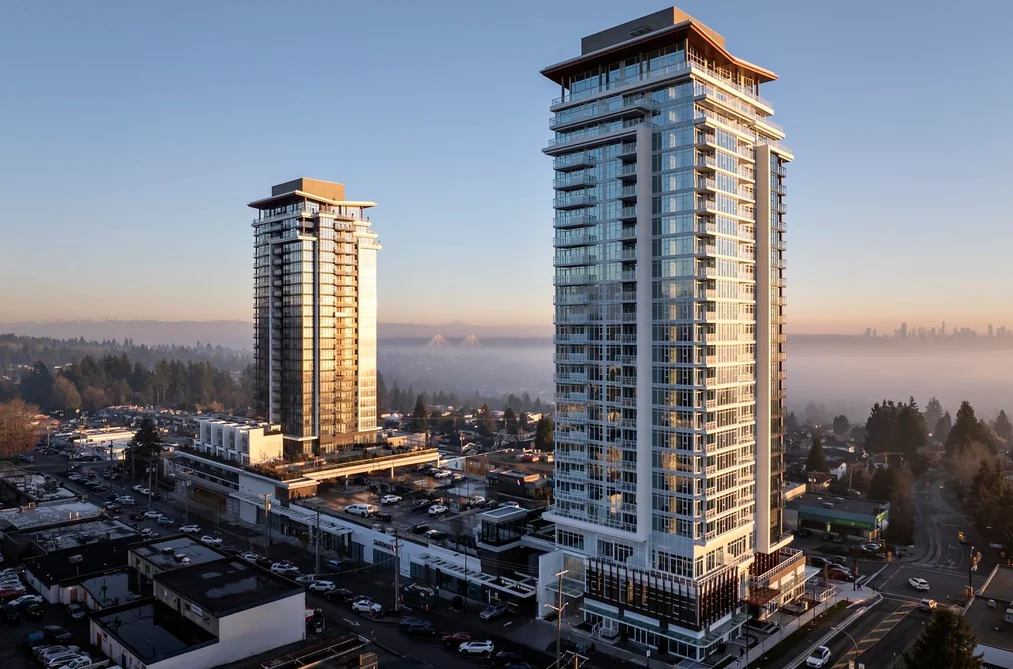
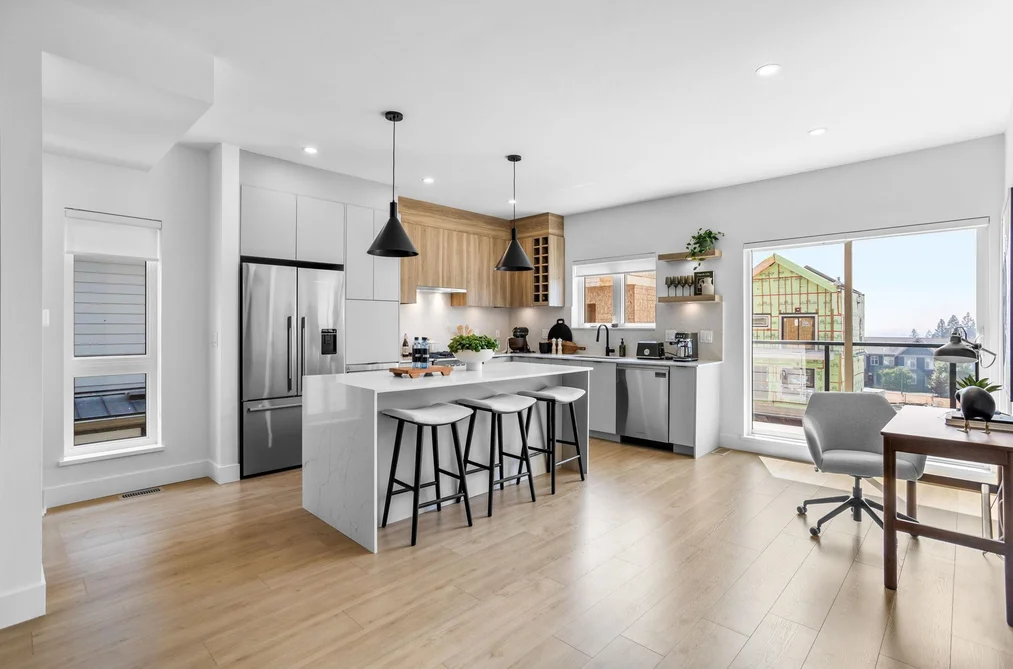
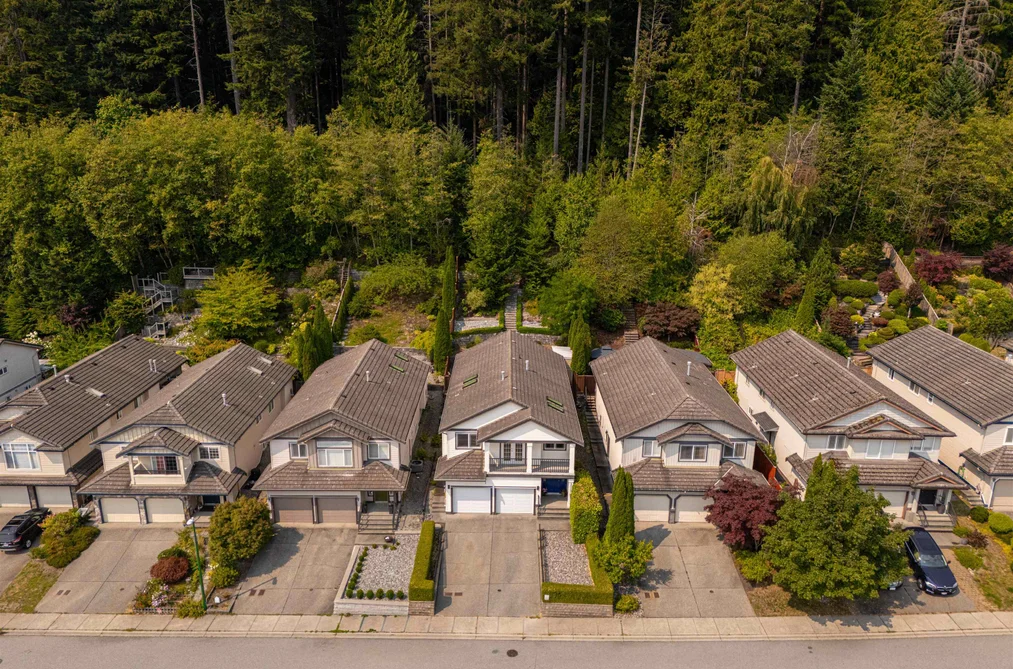
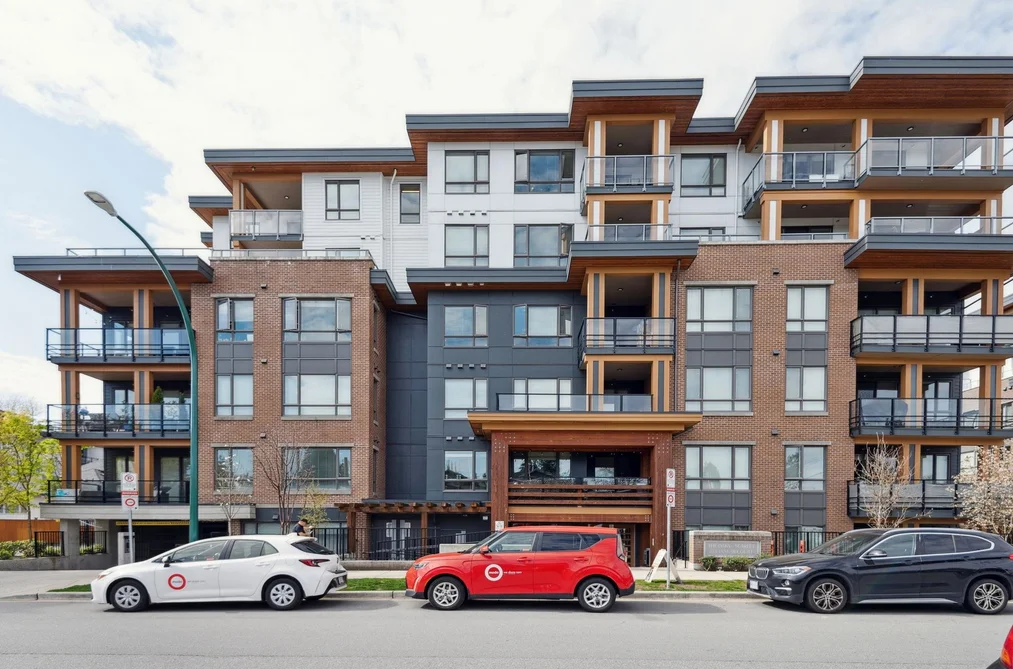
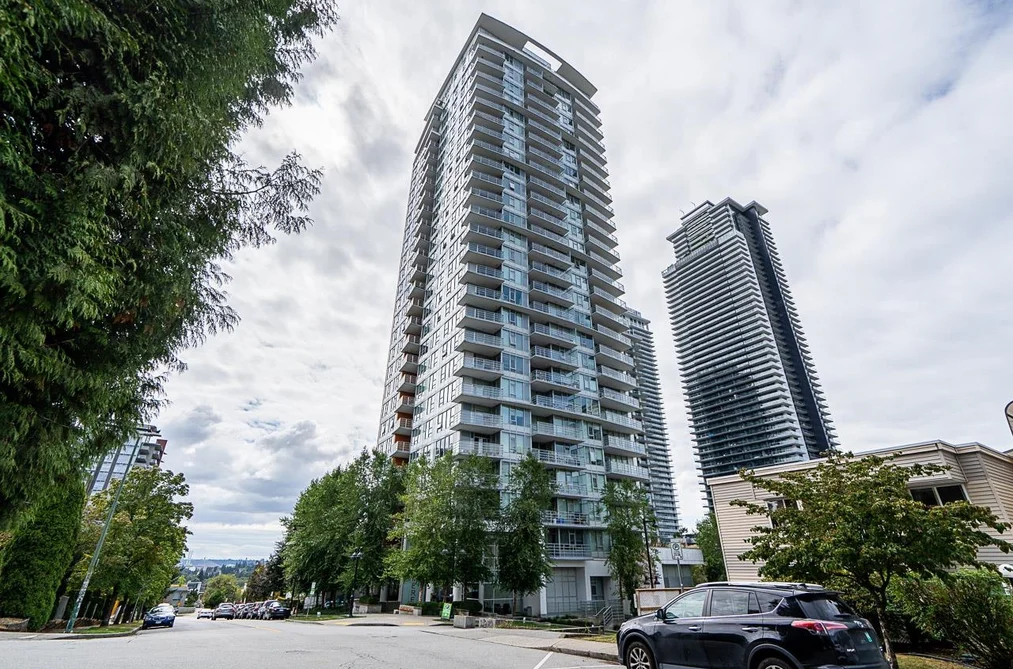
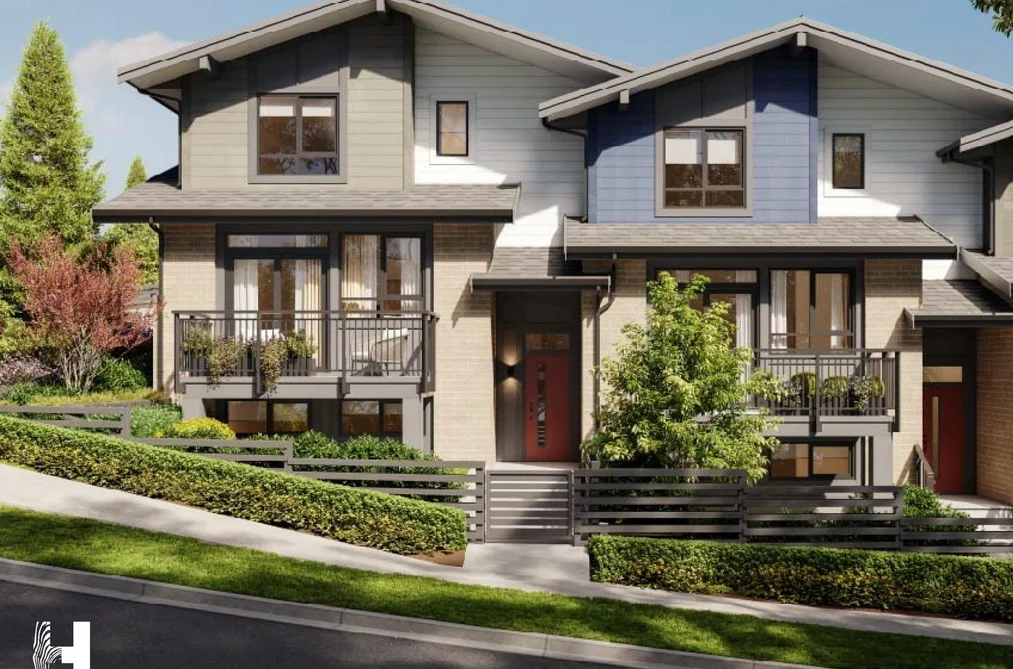
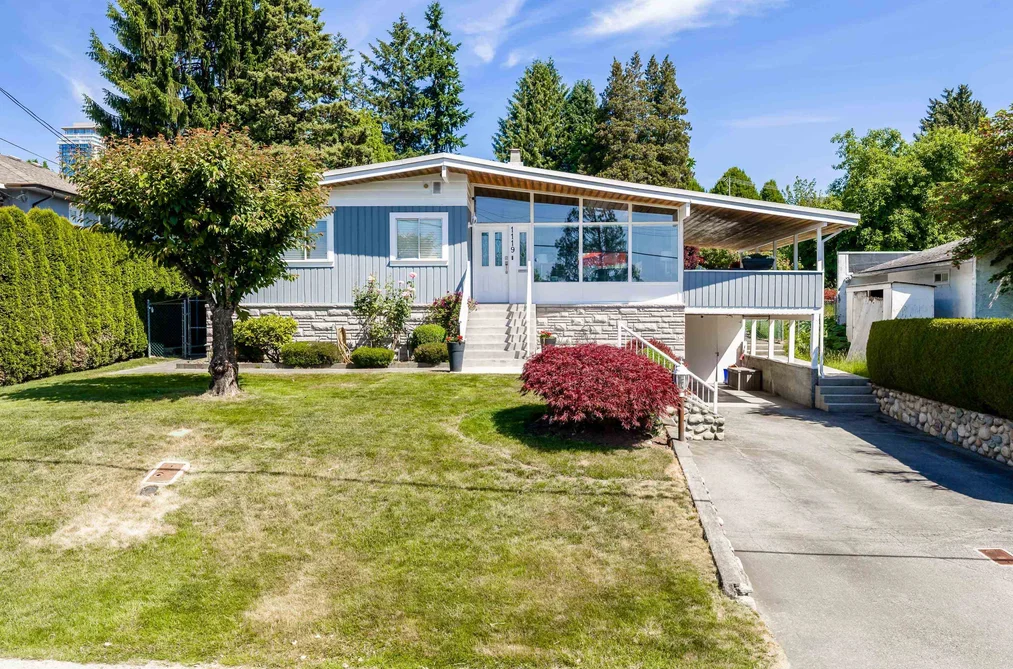
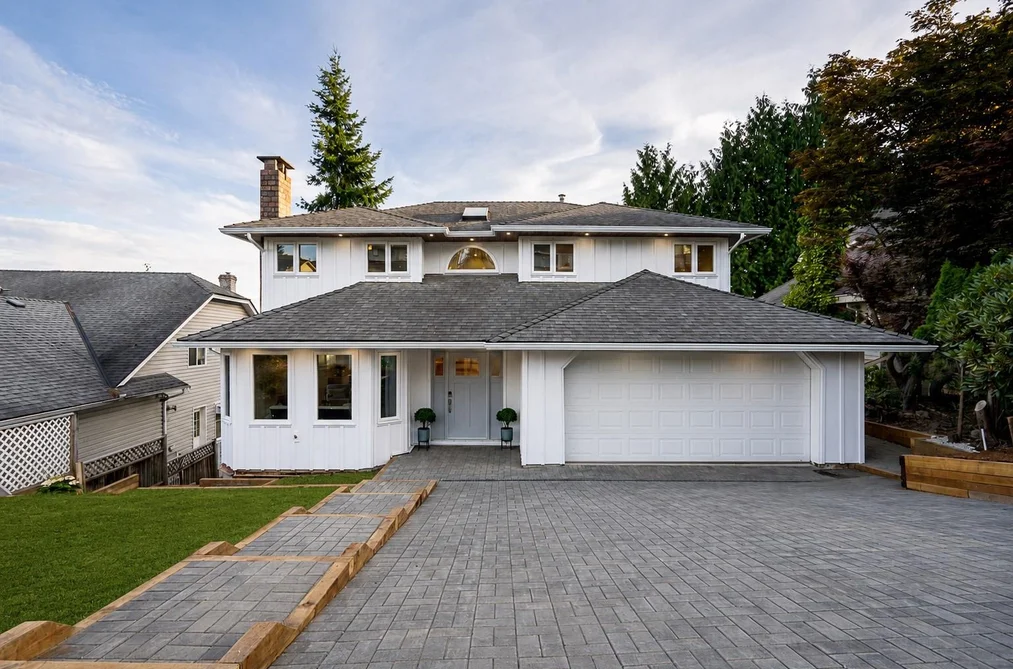
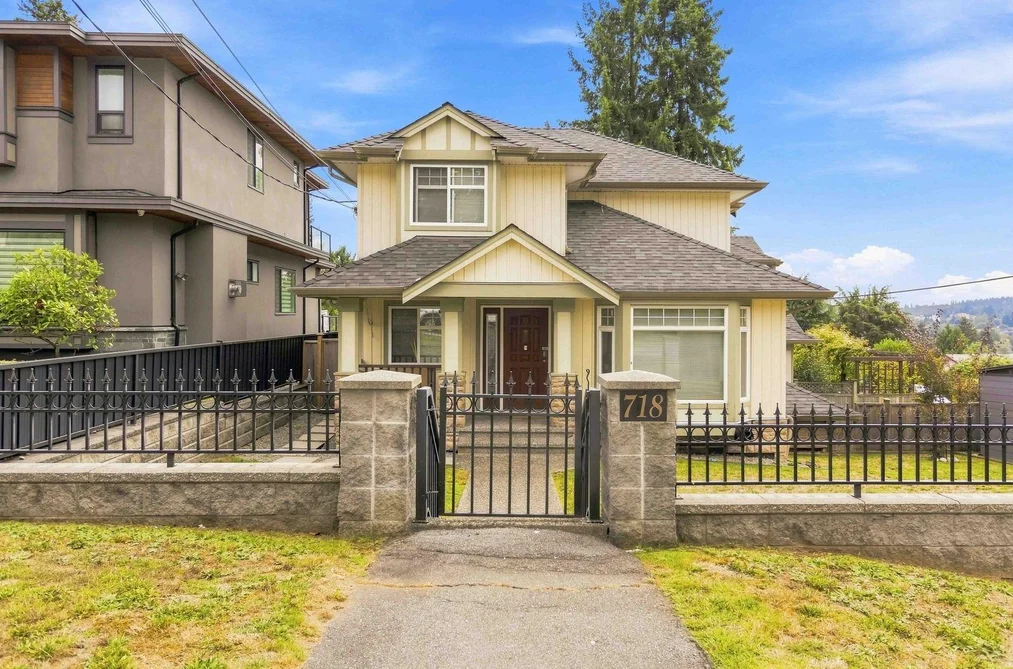
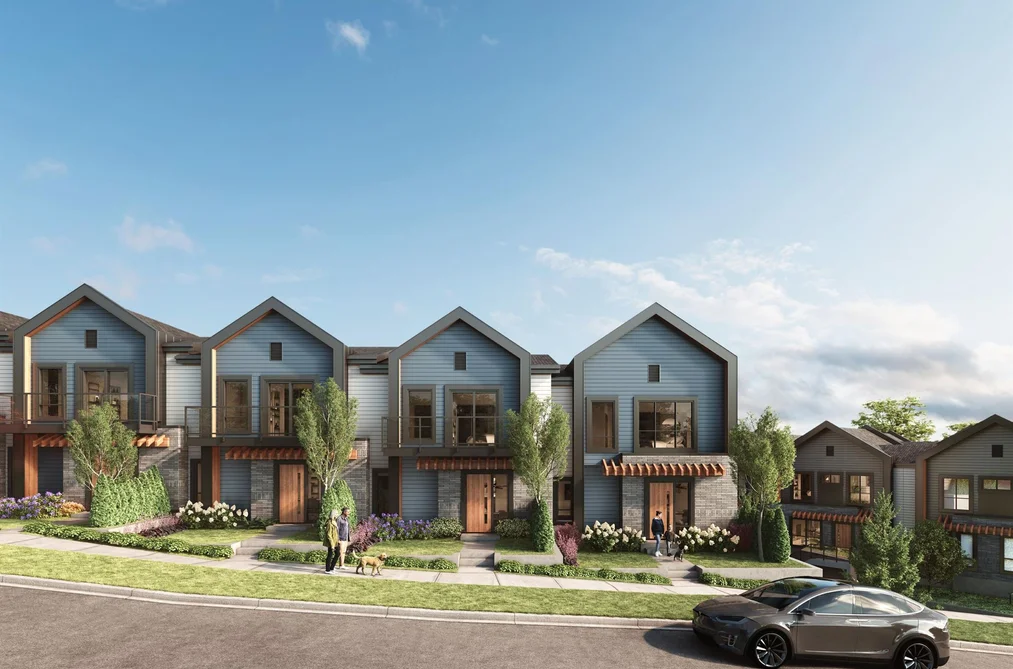
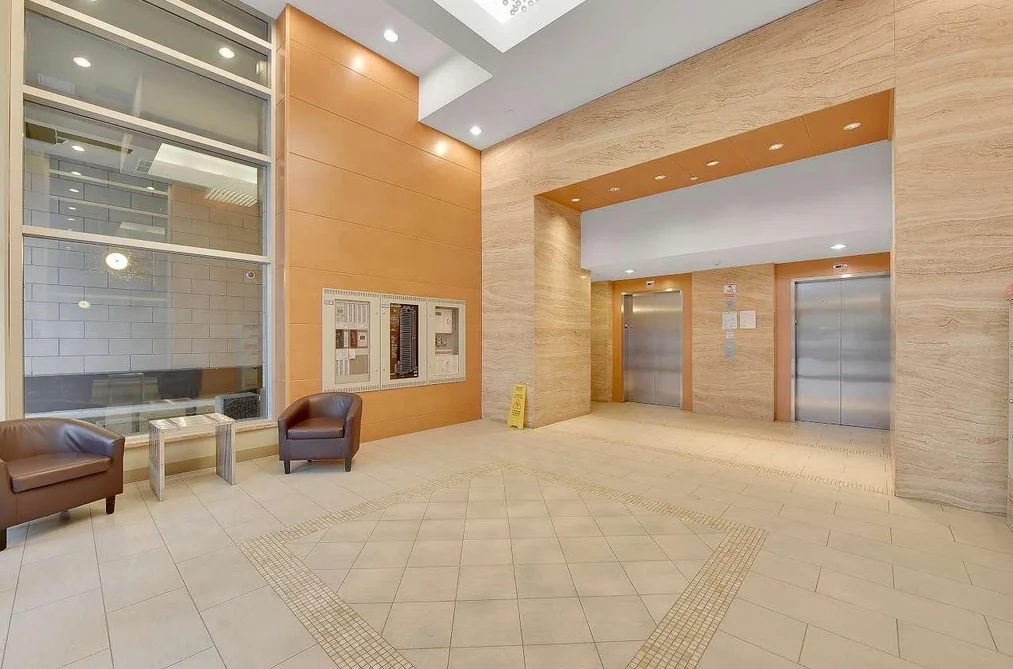
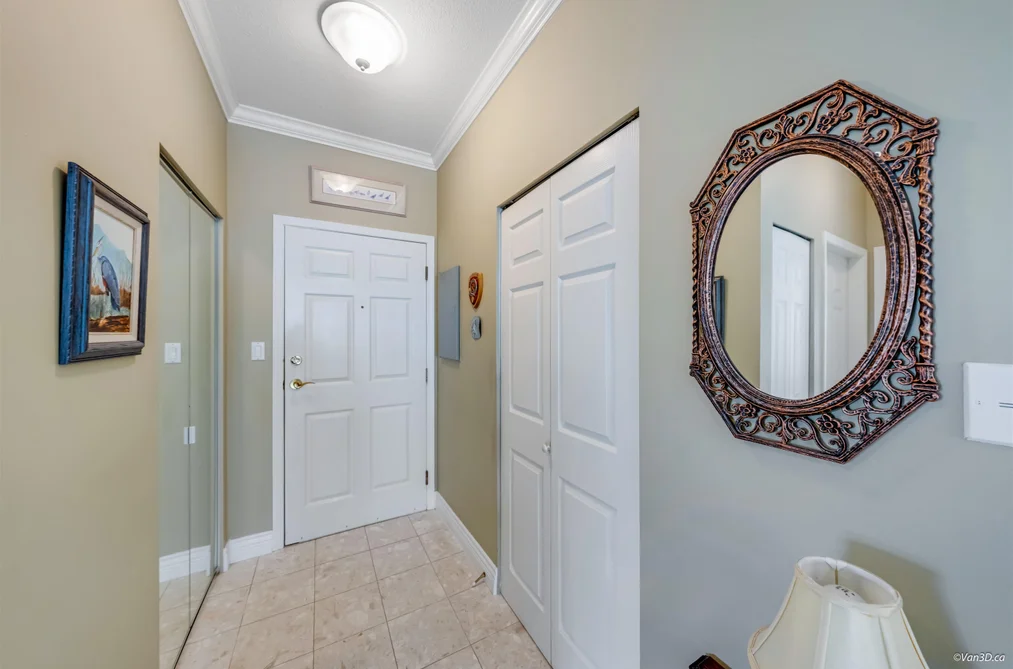
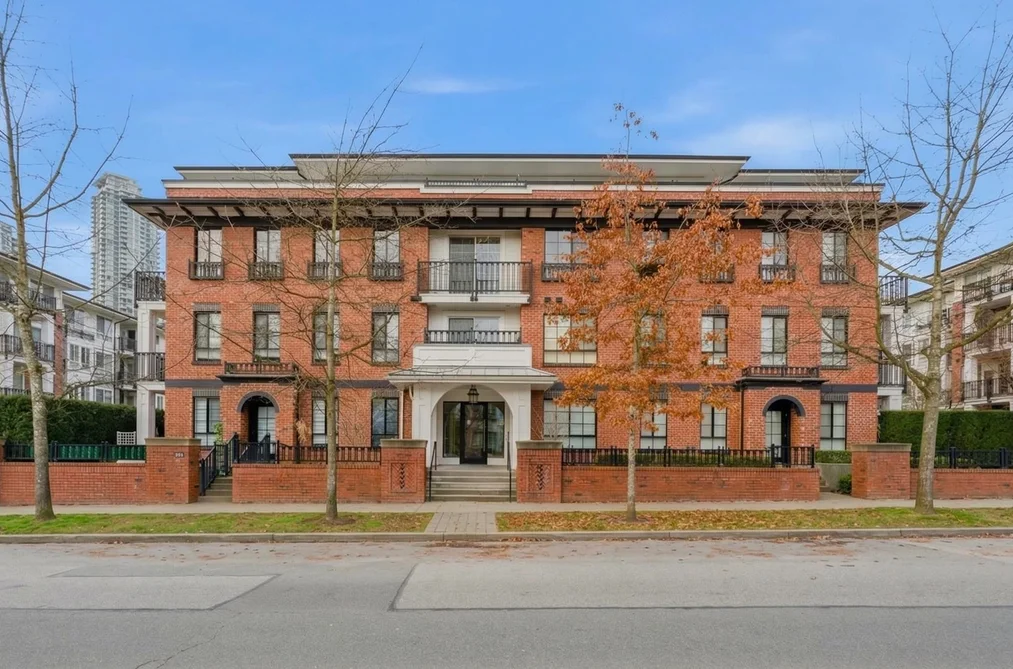
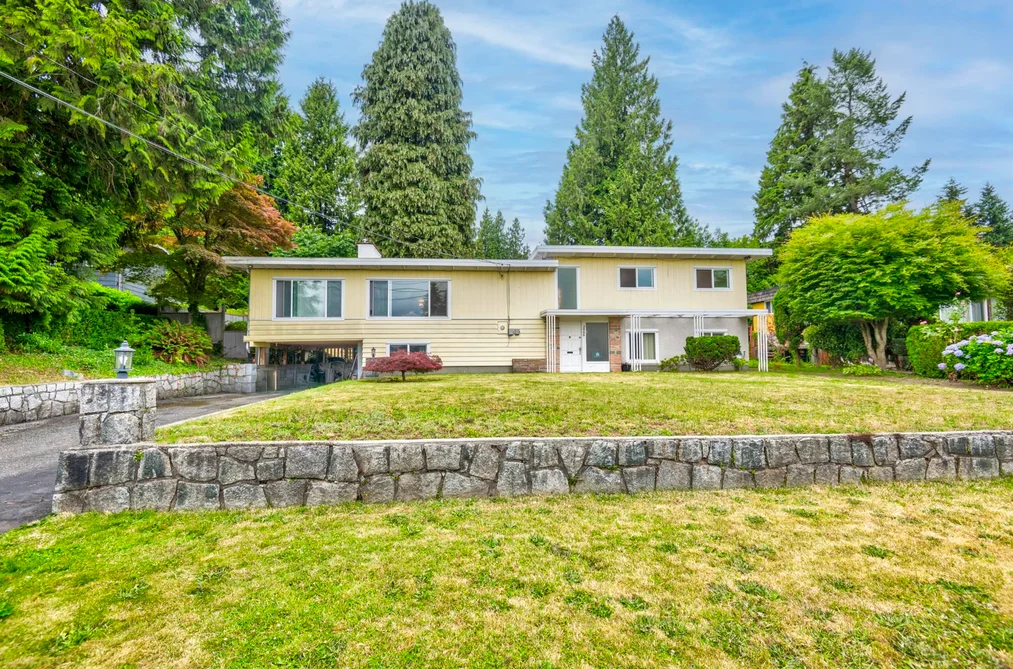
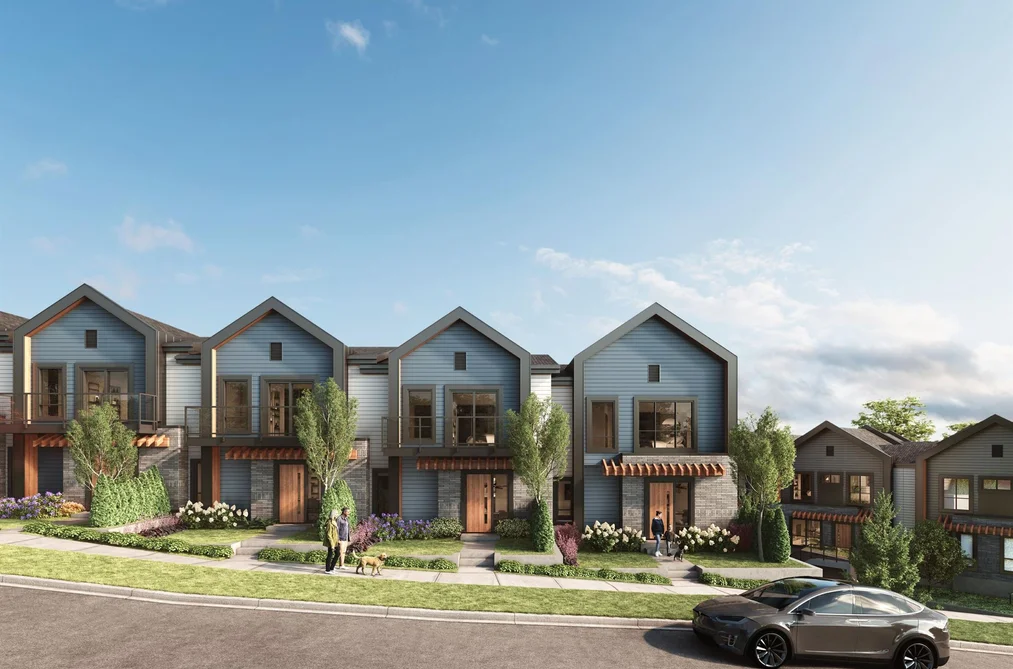
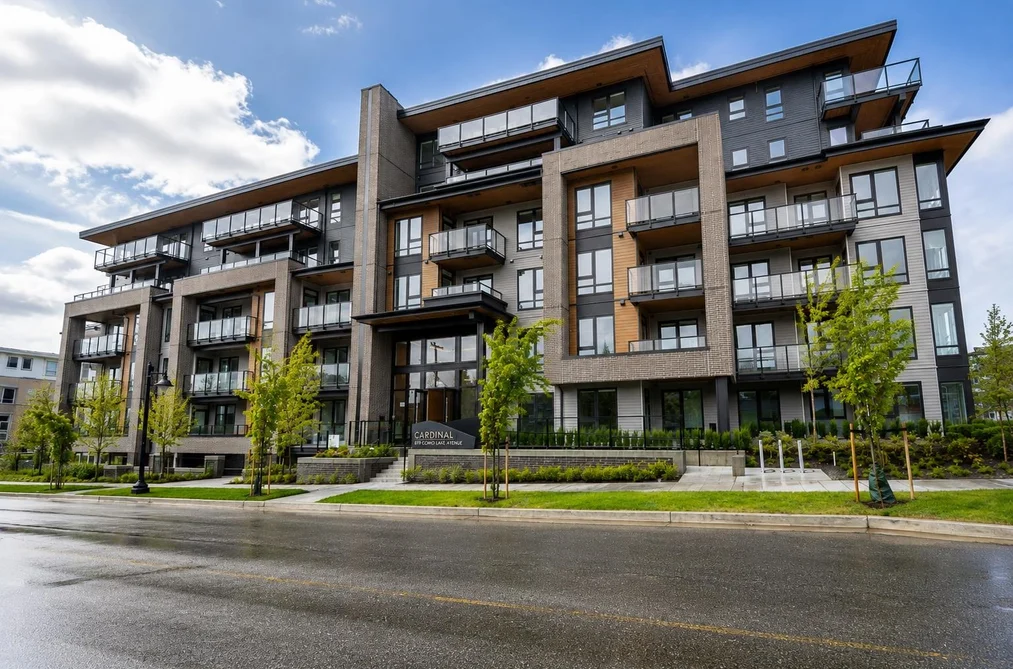
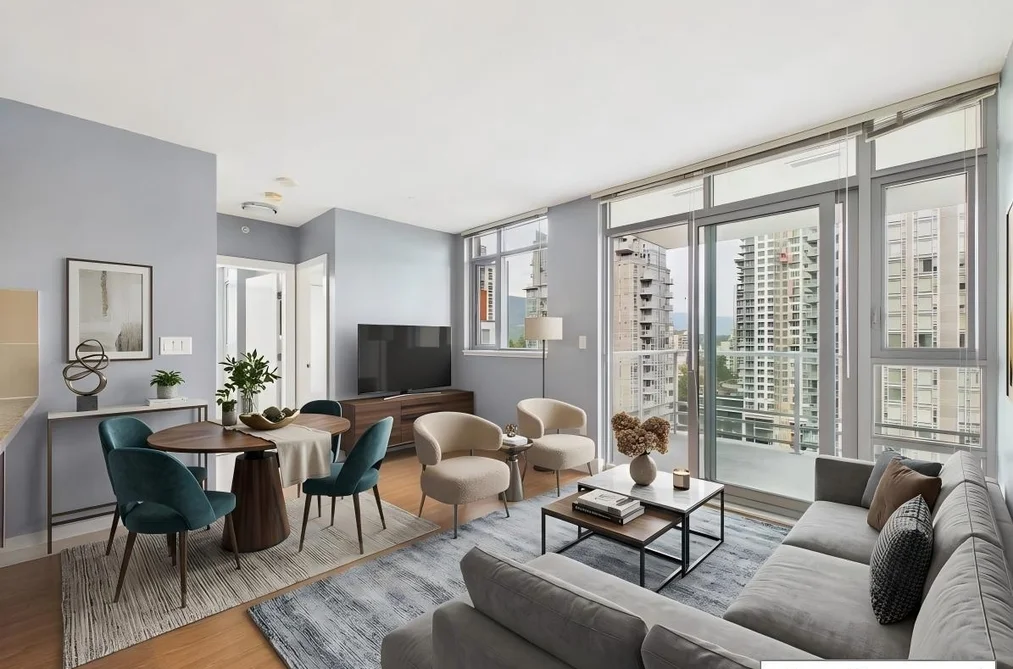
Strawhomes has the most thorough, up-to-date set of Coquitlam real estate listings. At the moment, Coquitlam has 1,260 homes for sale, including 449 houses, 588 condos, and 223 townhouses listed for sale. The average asking price for all home types in Coquitlam is $1.2M. Homes in Coquitlam spend an average of 85 days on the market. See our Coquitlam housing market stats for a more detailed analysis on average home prices, housing inventory, and days on market.
Coquitlam is home to 23 unique neighbourhoods. With Strawhomes you'll be able to find the most popular Coquitlam neighbourhoods, the highest-rated schools in the city, and evaluate nearby amenities. Check out the upcoming open houses in Coquitlam to tour homes in person. Narrow down your home search to filter by price, bedrooms, size or search by our map of MLS® listings for Canada-wide real estate.
MLS® listing data for Coquitlam is updated every 15 minutes to provide you the most up-to-date home listings. Get in touch with one of our Coquitlam real estate agents to get started on landing your dream home today.
Over the past year, the asking price of homes for sale in Coquitlam dropped 10.23% compared with March of the prior year, while the number of homes for sale has climbed 2.83%. For a comprehensive look, explore additional Coquitlam Home Prices & Values.
Coquitlam is a thriving city in the Lower Mainland in the western Canadian province of British Columbia. With a population exceeding 148,000, it ranks as the sixth-largest city in BC. As a component of the Metro Vancouver region, residents can anticipate abundant offerings from Coquitlam, including access to nature and urban amenities.
Coquitlam traces its origins as a community to the Coast Salish peoples, who first settled in the area. In time, European explorer Simon Fraser reached the territory and by the 1860s, a European settlement had taken root. The city’s name, however, is derived from a Coast Salish term, Kwitwetlem, meaning “red fish up the river.” Coquitlam sits along the Coquitlam River, which flows into the Fraser River, a world-renowned fishing destination.
In 1909 and 1910, groups of French Canadians arrived to work at Fraser Mills, a lumber operation on the bank of the Fraser River. This influx gave rise to the Maillardville community, which emerged as the largest Francophone centre west of Manitoba. Although the proportion of residents who speak French has diminished over the decades, 1% of Coquitlam residents continue to speak French as a first language, and 7% speak both French and English.
As a bedroom community, a substantial portion of Coquitlam’s working population commutes via the nearby highways and passenger rail services to get to work. Those who remain in the city to work typically head to southern Maillardville and the Fraser Mills area, where the city’s primary industrial zone is situated. The largest employers in the city include the municipal offices, food service and retail, and the Great Canadian Casino. The City of Coquitlam has been recognized as one of the premier places to work in the province.
Coquitlam is positioned in the Pacific Time zone. Owing to the city’s proximity to the mountain slopes, Coquitlam experiences substantial precipitation, with the bulk of rainfall concentrated between October and April. Snow is possible, especially in December and January. That said, winters tend to be milder than in other cities across Canada, and the average low temperature in December and January hovers at 0 degrees Celsius. During the summer, Coquitlam experiences comfortable conditions, with daily highs ranging between 21 and 25 degrees Celsius from June through September.
You may be curious whether living in Coquitlam is costly. In 2024, the living wage in Metro Vancouver stood at $27.05 per hour, one of the highest in the province. Nonetheless, housing prices remain generally more affordable than in Vancouver.
Coquitlam is widely regarded as a safe city. In 2023, the crime severity index registered 65.5, compared to the national average of 80.45. This ranking positions Coquitlam at the 10th lowest in the province.
All things considered, Coquitlam delivers excellent access to nature, convenient transportation to Vancouver, and boasts a wide range of housing options for those looking to buy a home. From single-family homes to condos and townhouses, a real estate agent can help you identify property that best suits your needs.
As of the latest reporting period, Coquitlam’s median sale price sits at $899,950. This figure is calculated by identifying the mid-point price of all property sold within a specified period of time. To illustrate, if 44 condos changed hands last month and only 32 detached homes sold in the same time frame, then the median price would capture the mid-point between the 44 condos and the 32 detached homes sold during that interval. At present, Coquitlam has 355 houses for sale, 192 townhomes for sale and 538 condos for sale.
For deeper insight into the current state of Coquitlam’s real estate landscape, check out the Market Stats.
For tailored strategies, reach out to a local Coquitlam real estate agent. As neighbourhood-level specialists, Coquitlam real estate agents can provide guidance on which areas and property types align with your lifestyle and budget.
To browse what’s currently for sale, check out Coquitlam’s local MLS ® board, which sources its data from the Fraser Valley Real Estate Board. For the freshest listings, set up a Coquitlam MLS alert that delivers the newest homes for sale in Coquitlam directly to your inbox.
The city of Coquitlam encompasses over 20 neighbourhoods, distributed across four distinct geographical areas: Southwest, City Centre, Northwest, and Northeast.
The original heart of Coquitlam lies in the southwest, where Maillardville houses, condos and townhouses, Austin Heights, Harbour Chines houses, condos and townhouses, Dartmoor, and the Fraser River are situated. A significant attraction in this area is Como Lake, a well-known urban fishing and recreation spot. Mundy Park is also located in this zone, and it is one of the largest urban parks in the Metro Vancouver area.
Heading north, there’s Coquitlam Town Centre houses, condos and townhouses, which features high-density, mixed-use developments. Numerous public buildings in the city, including City Hall, the RCMP station, the main fire hall, and the Aquatic Complex, can be found in this neighbourhood.
You’ll discover newer residential communities in the Northwest sector of the city. One sought-after community is Westwood Plateau houses, condos and townhouses, which includes single-family homes, duplexes, townhouses, and multi-family apartments. Eagle Ridge houses, condos and townhouses, a community bordering Port Moody, provides bus routes and local businesses woven alongside single-family homes, townhouses, and condos.
In the Northeast, Burke Mountain houses, condos and townhouses is one of Coquitlam’s newest communities. This neighbourhood grants convenient access to green spaces, hiking trails, schools, and more.
Typically, Harbour Place and Central Coquitlam rank as the most expensive neighbourhoods in Coquitlam houses, condos and townhouses, while North Coquitlam houses, condos and townhouses, Austin Heights, and Canyon Springs houses, condos and townhouses are among the most affordable options.
To determine which neighbourhood best matches your requirements, dedicate a weekend to checking out open houses in Coquitlam. As a guide, consult our hot-list, which evaluates all Coquitlam areas based on listing volume, the average sale price and how long houses for sale remain on the market.
Numerous buyers elect to purchase in a neighbouring city and commute to their workplace. Typically, these purchasers seek larger homes and lots with reliable commuter access to Coquitlam’s amenities. For those eager to live in a rural setting, good options include Anmore and Belcarra.
For those aiming to live within commuting distance of Vancouver, consider North Vancouver, Port Moody or Port Coquitlam.
Prior to purchasing real estate in Coquitlam, review its demographics, including median age, schools, and income. All figures are sourced from Statistics Canada census data. These insights can help establish whether Coquitlam is the right community for you and your family.
Population
148,625
Median Income
$111,000
Median Age
41.6
Density
1,216.7/km²
Homeowners
69.3%
Renters
30.7%
Median Rent
$1,530
Monthly average
Median Mortgage
$1,640
Monthly average
For families weighing a move, proximity to top-rated elementary and secondary schools is frequently a deciding factor. Below are the leading five institutions in each category to assist with your Coquitlam housing market search.
Coquitlam residents benefit from multiple avenues for pursuing post-secondary education. Vancouver Career College, situated in the downtown area, provides an early childhood education program. Additionally, Douglas College in Coquitlam delivers programs in commerce and business administration, health sciences, humanities, language, literature and performing arts, science and technology, and more.
Moreover, Coquitlam provides a short commute to nearby college and university campuses in Surrey, Burnaby, and Vancouver.
Public • Grades K-7
Private • Grades K-7
Private • Grades K-7
Public • Grades K-7
Public • Grades K-7
Public • Grades 8-12
Public • Grades 8-12
Public • Grades 8-12
Public • Grades 8-12
Public • Grades 8-12
Regarding commuting around Coquitlam, residents enjoy numerous choices. Most opt to drive, as Highway 7A traverses central Coquitlam, and Trans-Canada Highway 1 is readily accessible from the southern portion of the city. The average travel time for those driving to their workplace is under 30 minutes.
Coquitlam provides multiple public transportation alternatives, encompassing trains, buses, and commuter rail. The R3 Rapid Bus operates along the Lougheed Highway and connects Coquitlam with Port Coquitlam, Pitt Meadows, and Maple Ridge. TransLink and Coast Mountain Bus Company deliver bus service throughout Coquitlam. The SkyTrain’s Millennium Line also connects Coquitlam with Port Moody, Burnaby and Vancouver. Finally, the West Coast Express supplies commuter rail service to downtown Vancouver and Mission Monday through Friday during peak hours.
A smaller share of Coquitlam residents opt to commute by bicycle. Coquitlam boasts 117 kilometres of cycling infrastructure, which includes 32 kilometres of multi-use pathways. The city’s CoquitlamConnect App supplies details on bike routes throughout the city.
For those who opt to walk, consider residing in Downtown Coquitlam, Eagle Heights houses, condos and townhouses, Maillardville houses, condos and townhouses, or Austin Heights, where the majority of daily errands can be completed on foot.
While Coquitlam does not possess a dedicated airport, nearby alternatives include Vancouver International Airport in Richmond, which links the city to numerous destinations across Canada, Europe, Asia, North America, and the Caribbean. To the east, Abbotsford International Airport offers daily flights to Canadian destinations along with seasonal international flights to Mexico.
To gain a fuller picture of how city residents commute, review the data gathered by Statistics Canada.
Countless BC residents relish spending time outdoors, and Coquitlam is a fantastic place to breathe in some fresh air. Favourite pastimes among locals include hiking the Coquitlam Crunch Trail, wandering through Mundy Park or Minnekhada Regional Park, checking out Crystal Falls, casting a line at Como Lake, and uncovering natural beauty at Inspiration Garden.
The Coquitlam Farmers Market operates on Sundays between early May and late October, and on bustling weekends, visitors can browse over 60 vendors offering farm-fresh produce, baked goods, handmade crafts, wine and much more. Additional options for culinary enthusiasts include Oz Korean Cuisine, a beloved spot renowned for its double-fried Korean chicken, and Mariner Brewing, Coquitlam’s sole craft brewery.
If the weather fails to cooperate, spend a day at the Evergreen Cultural Centre. Widely regarded as the city’s arts hub, this venue presents captivating live performances and showcases exhibitions that intrigue and inspire local residents. The centre also conducts classes and workshops for kids, youth and adults eager to take the stage or explore visual art mediums.
Another option is to check out one of the city’s three major sports and recreation complexes. Most feature pools, hot tubs, saunas, steam rooms, and various arenas and gyms. You can also bring the kids to Crash Crawly’s, an indoor playground featuring a two-storey labyrinth of tunnels, bridges, ball pits, slides and more.
If you want to delve into Coquitlam’s history, check out Mackin House. Erected in 1909, this Edwardian residence is staged with period furniture and artifacts. Visitors can wander the rooms, touching and experiencing the home as it stood over 100 years ago. Tour guides provide a deeper, richer window into turn-of-the-century life in Coquitlam.
If you feel adventurous, check out Climb Base5, home to the largest climbing wall in Metro Vancouver. There are upward of 16,000 square feet of climbing space plus a 1,000 square-foot “Tsunami Wall” dedicated to bouldering. Another option is to head to Activate Coquitlam, where visitors can enter a game and become a player in the world’s first active gaming facility. They feature multiple rooms with varying difficulty levels, ideal for first-timers.