Illegal Secondary Suites in BC: Unauthorized Vs. Authorized Basement Suites
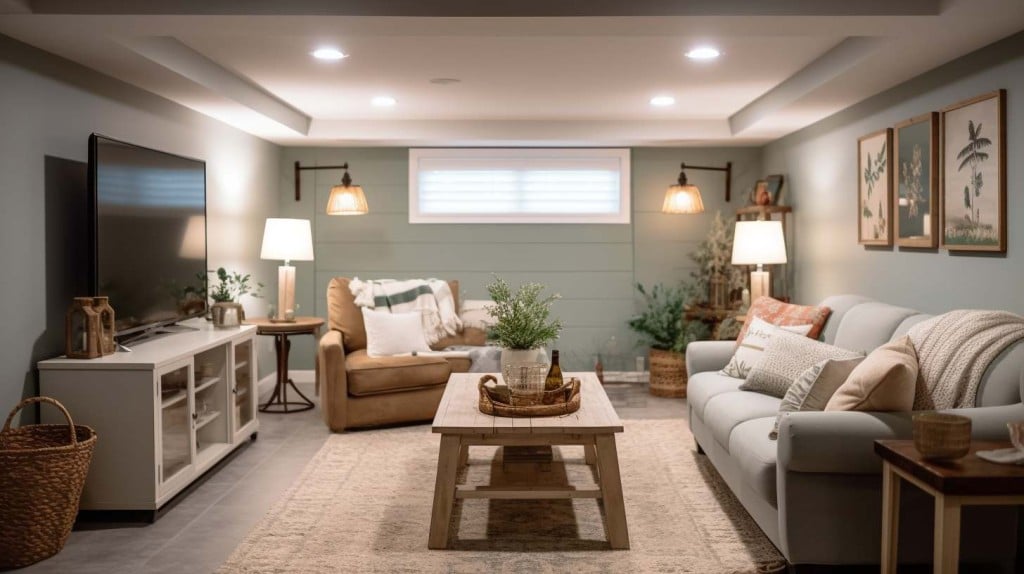
With housing affordability at a crisis point in many parts of BC, illegal basement suites have become commonplace. As a realtor, I often meet clients who are unsure about the risks and benefits of unauthorized secondary suites. While they can provide affordable housing, illegal suites come with major drawbacks for homeowners and tenants alike.
This guide covers everything you need to know about illegal basement suites in BC.
Read More:
- Never Before Seen Investment Strategies for real estate
- Check out Homes with Legal Suites Listed
- See Basement Entry Homes For Sale
- See Walk Out Basement Homes for Sale
What Makes a Suite Legal or Illegal?
For a basement suite to be legal in BC, it must adhere to municipal zoning bylaws, meet provincial building codes, and have all required permits and inspections. A legal suite is one that has passed final municipal inspection and received an occupancy permit.
An illegal suite does not fully comply with zoning, building codes, or permitting requirements. It may have been renovated without permits or lack safety features like proper exits. Many unauthorized suites continue operating under the radar, but this carries financial, legal, and ethical risks .
Upsides and Downsides of Unauthorized Suites
Illegal suites are extremely common, especially in Metro Vancouver where over 15,000 exist. With sky-high rents, it’s tempting for homeowners to carve out extra space. And many tenants are willing to rent unauthorized units due to limited affordable housing options.
This trend highlights the ongoing struggle between homeowners looking to maximize their property’s potential and renters desperate for affordable places to live. As property values soar and the demand for smaller condos continues to rise, the appeal of these illegal suites becomes even more pronounced. However, this can lead to significant legal consequences for landlords and safety concerns for tenants, emphasizing the need for more regulated housing options.
However, illegal suites have significant drawbacks:
- Safety hazards – Unauthorized renovations often overlook fire codes, electrical requirements, etc. This endangers tenants.
- Voided insurance – Homeowners insurance may refuse claims if an undisclosed, illegal rental unit is involved.
- Fines and shutdowns – Cities can levy fines or even condemn illegal units. Loss of rental income results.
- Inability to leverage rental income – Lenders generally won’t consider income from illegal suites toward mortgage qualification.
Steps to Legalizing a Basement Suite
Converting an unauthorized suite into a legal one requires time and money, but improves safety and unlocks financial benefits. Key steps include:
- Apply for municipal zoning approval and building permits
- Complete any renovations needed to meet codes
- Install emergency exits, smoke detectors, fire separations, and ground fault circuit interrupters
- Obtain final municipal inspection and occupancy permit
Exact requirements vary by city. Homeowners should consult their local government for details. Grandfathering of existing illegal suites is possible in some cases.
Should You Buy a Home With an Illegal Suite?
When buying a property with an unauthorized basement unit, weigh the risks and rewards carefully. An illegal suite could still safely generate rental income for years. But buyers are vulnerable to fines, shutdowns and other headaches until the suite gets legalized.
Lenders also cannot consider income from an illegal unit toward your mortgage application. If you’re counting on rental cash flow, an unauthorized suite could jeopardize financing.
As your realtor, I’d advise carefully inspecting any unauthorized rental spaces firsthand before purchase. Ensure illegal suites can realistically and affordably be legalized. If not, negotiate with the seller to reflect the lack of permissible rental income.
Key Takeaways
- Illegal suites are units that don’t comply with municipal zoning, building codes, and permitting rules.
- Renting unauthorized suites happens often but carries major risks around safety, insurability, and fines.
- Legalizing a suite involves municipal approvals, renovations, permits, and inspections. This unlocks financial benefits.
- When buying a home with an illegal suite, understand legalization costs. Seek purchase price adjustments if needed.
Financial Benefits of Legal Secondary Suites
Bringing an unauthorized basement unit up to code unlocks major financial upsides:
Rental Income From The Rental Suite
A legal suite may generate substantial extra income through rent – often $1000 or more monthly. This provides homeowners with cash flow to cover the mortgage, bills, and taxes.
Improved Mortgage Qualification
Unlike illegal suites, legal rental income counts toward mortgage qualification. This allows buying power to be boosted above what primary employment income alone would permit.
Added Property Value
Legal secondary suites typically raise a home’s value versus houses without permitted rental units. This translates into greater equity for homeowners when they eventually sell. Additionally, homes with authorized secondary suites often attract more buyers looking for mortgage helpers or investment opportunities, making them easier to sell.
Buyers also appreciate the added rental income potential, which can help offset mortgage costs. Understanding financing options, such as a pre construction condo payment schedule , can further assist investors in planning their purchases effectively.
Leveraging Equity
With increased equity from a legal suite, homeowners gain options like refinancing to access funds for renovations, investments, debt repayment, and more. This added financial flexibility can enhance a homeowner’s ability to grow their real estate portfolio or improve their current living space. Understanding how to calculate property ROI is crucial in determining whether these investments will generate profitable returns in the long term.
By assessing key factors such as rental income, property appreciation, and expenses, homeowners can make informed decisions about their real estate strategy.
Requirements and Restrictions For Legal Suites
While legalizing a suite has advantages, homeowners should understand the rules and limitations involved:
- Local municipal approval and permitting is mandatory
- Building, fire, and electrical codes must be followed
- Suites can’t compromise safety or overwhelm the principal residence
- Zoning often limits suite size to less than 40% of total home size
- Only one secondary suite is permitted per single-family home
Restrictions help maintain the character of neighborhoods. Close collaboration with your city is crucial when creating a legal suite.
Tenant and Landlord Responsibilities
The BC Residential Tenancy Act applies to all rented suites – legal or not. Landlords must provide livable accommodations, while tenants must pay rent and avoid damage.
However, unauthorized suites give tenants less legal protection and recourse. Problems like unsafe conditions or dispute resolution pose challenges without formal rental arrangements allowed under a legal suite.
Both parties benefit when suites are brought fully up to code. But the onus ultimately falls on homeowners to operate suites legally.
Signs of an Illegal Suite That Doesn’t Adhere To BC Building Code
As an experienced realtor , illegal suites often display telltale signs, including:
- Absence of a required separate exit and entrance
- Doorway heights under 6’6” or ceilings below 6’5”
- Lack of windows for egress and natural light
- Missing or inadequate fire separation between units
- Kitchens and bathrooms seeming tacked on
Unauthorized workarounds like extension cords instead of outlets are also red flags. Rely on licensed home inspectors to identify violations.
FAQs
Q: What makes a basement suite legal in BC?
A: A suite is considered legal when it meets all relevant requirements of the BC Building Code and local zoning regulations , including having a separate entrance, self-contained plumbing and electrical systems, fire safety standards, least one bedroom, and a separate living area. Additionally, your neighbour must be informed of any secondary suite within your home.
Q: What is the difference between a legal and an unauthorized suite?
A: A legal rental suite is one that meets all of the requirements of the BC Building Code and local zoning regulations. An unauthorized suite does not meet these requirements or has not been approved by the local government.
Q: How do I legalize my existing secondary suite?
A: In order to legalize an existing secondary suite you will need to work with your local municipality to ensure that it meets all of the necessary building code and zoning requirements. It may also be necessary to obtain permits from other authorities such as fire safety or plumbing inspectors.
Q: Can I rent out an unauthorized basement suite?
A: No, renting out an unauthorized suite may lead to fines issued by your local municipality or other governing body. It is important to ensure that your rental unit meets all relevant laws before renting it out.
Q: Can a secondary suite increase the value of my home?
A: Yes, having a secondary suite may increase the value of your home depending on its size, condition and if it meets all relevant legal requirements. It’s best to consult with a real estate agent or mortgage broker for advice about how adding a secondary suite could affect your home’s value.
Q: Does my home insurance coverage change if I have an authorized or unauthorized basement suites?
A: Your home insurance coverage may change depending on whether you have an authorized or unauthorized suites. It is important to inform your insurer if you have either type of rental unit in order to ensure that they are aware of any additional risks associated with having tenants in your home. Failure to disclose this information could result in denied claims or even policy cancellation if an incident occurs.
Additionally, insurance rates may vary based on the type of rental unit and its impact on overall risk assessment. Understanding factors like log home insurance costs in BC can help homeowners make informed decisions about coverage and potential expenses.
Q: What are some common types of secondary suites in BC?
A: Common types of secondary suites in BC include traditional suites (with separate entrance), laneway houses (separate dwellings typically located at the back of properties), duplexes (two units sharing one structure) and in-law suites (self-contained dwellings within single family homes).
Q: What are some reasons for legalizing my rental housing unit?
A: There are several reasons why it is important to legalize any rental housing unit such as ensuring tenant safety, complying with local laws and avoiding costly fines. Making your rental unit legal also provides peace-of-mind knowing that you are providing safe and secure housing for tenants.
Q: What should I consider before purchasing a home with a secondary suite?
: Before purchasing a home with a secondary suite it is important to consider whether or not it has been legalized as well as what its current condition is like. You should also make sure that the property complies with fire safety standards set out by the BC Building Code as well as any other applicable laws or regulations. Additionally, it is essential to verify whether the suite meets local zoning requirements and has the necessary permits in place.
Understanding how to check house title can help confirm ownership details and identify any potential legal issues, such as unpaid taxes or liens on the property. Consulting a real estate professional or local authorities can provide further guidance on ensuring the suite is legally compliant and safe.
Q: What kind of fees might I incur while making my rental unit legal?
A: Fees associated with legalizing a rental unit can vary depending on jurisdiction but typically include permit fees from various authorities such as fire safety inspectors or plumbers. Additionally there may be costs associated with making improvements needed in order for the property to meet building code requirements.
Q: Is there any difference between an in-law Suite vs Laneway House ?
A: While both are types of secondary suites they differ slightly in terms of their structure – Laneway Houses tend to be separate dwellings while In-Law Suites tend to be self contained dwellings within single family homes . Additionally laneway houses need their own entrance while this isn’t necessarily required for In-Law Suites.
Can Buying a Condo in BC Be a Better Option Than Renting an Unauthorized Basement Suite?
Buying a condo in BC can offer stability, equity growth, and legal security compared to renting an unauthorized basement suite. While the initial cost, including the down payment for a condo bc , may be high, ownership provides long-term financial benefits and freedom from eviction risks associated with unregulated rental spaces.
Conclusion
In conclusion, having an illegal basement suite may lead to a variety of issues and complications. If a secondary suite is considered illegal, it means that the suite is located within a residence that does not meet the legal requirements for a separate living space. This can create problems for both the property owner and the tenants .
In order for a secondary suite to be considered legal, it must meet specific requirements such as separate entrances, adequate exits, and proper fire safety measures . If these requirements are not met, the suite is unauthorized and therefore considered illegal. Renting out an illegal suite puts both the property owner and the tenants at risk as it may violate local bylaws and regulations .
Additionally, illegal basement suites often lack the necessary amenities and may miss out on important features that a legal suite would provide, such as shared common areas or a laundry room. To avoid potential legal issues and ensure the safety and comfort of both landlords and tenants , it is highly recommended to follow the necessary procedures and regulations for legalizing your suite.

Let's Chat! Looking for a REALTOR® who can exceed your expectations? Look no further than Richard Morrison! His mission is to serve without limit & provide solutions that cater to your core needs.
• 20+ Years of Experience
• Medallion Member
• RE/MAX Hall of Fame

Latest Properties Added
| Property | Size | Price | Date Listed |
|---|---|---|---|
| 141 27th Street, North Vancouver | 1,651 sqft | $1,899,000 | Sep 13, 2026 |
| 2-2509 Kitchener Street, Vancouver | 1,284 sqft | $1,298,800 | Sep 12, 2026 |
| 1406-938 Smithe Street, Vancouver | 761 sqft | $799,000 | Sep 11, 2026 |
| 2802-1033 Marinaside Crescent, Vancouver | 583 sqft | $639,000 | Sep 11, 2026 |
| 386 45th Avenue, Vancouver | 1,762 sqft | $2,199,900 | Sep 10, 2026 |
| 207-378 45th Avenue, Vancouver | 1,329 sqft | $1,478,900 | Sep 10, 2026 |
| 108-378 45th Avenue, Vancouver | 745 sqft | $879,900 | Sep 10, 2026 |
| 1-1958 60th Avenue, Vancouver | 1,463 sqft | $1,899,900 | Sep 9, 2026 |
| 2-1956 60th Avenue, Vancouver | 1,463 sqft | $1,899,900 | Sep 9, 2026 |
| 1-1956 60th Avenue, Vancouver | 1,463 sqft | $1,899,900 | Sep 9, 2026 |
| 6222 Logan Lane, Vancouver | 1,622 sqft | $1,250,000 | Sep 7, 2026 |
| 4339 Granville Street, Vancouver | 4,672 sqft | $6,500,000 | Sep 11, 2026 |
Start your search with Richard Morrison, Top Award Winning Vancouver Realtor
Contact Richard Morrison Top Vancouver Realtor today to find a Vancouver houses for sale and Vancouver condos for sale. Also check out Burnaby houses for sale or maybe Burnaby condos for sale. If you prefer North Shore, take a look at our listings in North Vancouver houses for sale and North Vancouver condos for sale.