Find a Home Inspector in BC: British Columbia Home Inspection
When Sarah and Michael put in an offer on their dream home in Kelowna last spring, they thought they’d found the perfect property. But after hiring what turned out to be an inexperienced home inspector, they discovered—six months after moving in—that the “minor moisture issue” mentioned in passing was actually a $45,000 foundation problem with foundation cracks and a hidden leak. If you’re buying a house in Vancouver, BC or anywhere in British Columbia, finding a certified home inspector isn’t just important.
Find a good home inspector in BC by checking licensing, reviewing certifications, and confirming experience with homes similar to yours. Request sample reports to verify detail and clarity. Compare pricing, ask about insurance coverage, and choose inspectors who provide same-day reports and clear explanations during the walkthrough.
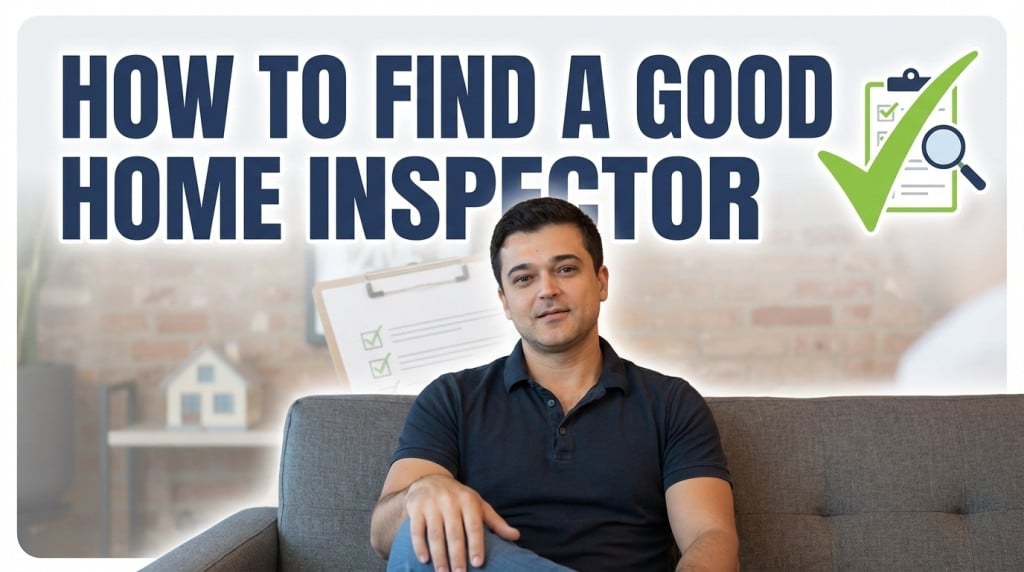
The truth is, not all home inspectors in British Columbia are created equal. While the province has strict licensing requirements through Consumer Protection BC, the quality, thoroughness, and expertise can vary dramatically. You need someone who’ll spend hours meticulously examining every accessible component of your potential home, not someone who rushes through a checklist. Let me show you exactly how to find a reliable home inspector who’ll give you genuine transparency and help you make an informed decision.
Understanding Home Inspector Licensing in British Columbia
First things first: home inspectors must be licensed in BC. This isn’t optional. Since 2009, Consumer Protection BC has been mandated to regulate the home inspection industry in the province, establishing strict licensing requirements that every professional home inspector must meet.
Mandatory Certification Requirements
Every licensed home inspector in British Columbia must:
- Complete approved training through recognized certification programs
- Pass comprehensive examinations demonstrating technical knowledge
- Carry errors and omissions insurance for consumer protection
- Maintain liability insurance to protect homebuyers and sellers
- Complete continuing education to maintain their qualification
The two primary certification bodies recognized in BC are:
- CAHPI (Canadian Association of Home and Property Inspectors): The national standard providing qualified home inspectors
- InterNACHI (International Association of Certified Home Inspectors): Globally recognized by the Home Inspectors Association of Certified Home Inspectors
When you’re vetting potential inspectors, verify they hold current certification from one of these organizations. Visit the HIABC (Home Inspectors Association BC) website to find a list of qualified professionals. Don’t just take their word for it—ask for proof and check their standing with Consumer Protection BC.
Why Licensing Matters for Your Protection
The licensing system provides a safety net through required insurance and established complaint processes. However—meeting minimum licensing requirements doesn’t automatically make someone a good inspector. You need to dig deeper to find an inspector who will thoroughly assess your property with advanced training and the right tools like thermal imaging and radon gas testing equipment.
What Makes a Home Inspector Truly Reliable?
I’ve reviewed hundreds of home inspection reports over my years in real estate, and the difference between adequate and exceptional is striking. Here’s what separates the best from the rest:
Experience and Advanced Training
Years in the field matter tremendously. An inspector who’s examined 2,000+ homes has encountered problems with plumbing, electrical systems, HVAC, and hidden defects that textbooks never mention. They understand how BC’s rainy climate affects indoor air quality and creates conditions for mold and moisture issues.
Look for inspectors who’ve gone beyond basic certification:
- Specialized certifications in radon testing, thermal imaging, and mold testing
- Background in construction, engineering, or related trades
- Training from recognized associations like CAHPI and InterNACHI
- Expertise in identifying leaks, cracks, and structural concerns
Thoroughness and Inspection Duration
Here’s a red flag: if an inspector says they’ll complete a thorough home inspection in under two hours for a 2,000-square-foot home, walk away. A quality inspection company will spend 2.5 to 4 hours examining your potential home, depending on the property size and complexity.
The inspector will thoroughly assess:
- Structural components (foundation, framing, roof structure)
- Exterior elements (siding, windows, doors, grading, drainage)
- Roofing systems and attic spaces
- Plumbing systems (supply lines, waste systems, water heater)
- Electrical panels, wiring, and safety features
- HVAC systems (heating, cooling, ventilation)
- Interior components and built-in appliances
- Insulation and ventilation throughout
- Signs of water damage, rot, or pest activity
Technology and Tools
Top-tier inspection companies invest in professional-grade equipment:
- Thermal imaging cameras: Detect hidden moisture, insulation gaps, and electrical hotspots with infrared camera technology
- Moisture meters: Identify water intrusion before visible damage
- Radon testing equipment: Essential for basements and lower-level spaces
- Electrical testers: Verify proper wiring and grounding
Ask prospective inspectors what tools they use. If they’re showing up with just a flashlight and a ladder, that’s insufficient for today’s standards.
Step-by-Step: Choose a Home Inspector: Home Inspection Services
Ready to start your search? Follow this proven inspection process:
Step 1: Start With Professional Associations
Begin your booking through official channels:
- HIABC (Home Inspectors Association of BC): The provincial association maintaining strict standards
- CAHPI BC: British Columbia chapter with searchable member directory
- InterNACHI: Find an inspector near you using their online tool
These associations maintain databases where you can find a list of qualified inspectors in your area—whether you’re in Vancouver, Burnaby, Surrey, Richmond, Coquitlam, or smaller communities throughout the province.
Step 2: Get Recommendations (But Verify Independently)
Ask friends, family, and colleagues about their experiences with home inspection services. Your real estate agent may also have suggestions from past transactions with buyers and sellers.
Important caveat: Even well-meaning recommendations need verification. Always:
- Check current licensing status with Consumer Protection BC
- Read recent online reviews about thoroughness and transparency
- Verify insurance coverage meets strict standards
- Confirm they’re actively practicing in British Columbia
Step 3: Interview Multiple Candidates
Don’t hire the first inspector you find. Contact at least three candidates and ask:
About Their Qualifications:
- “How long have you been a professional home inspector in BC?”
- “What certifications from CAHPI or InterNACHI do you hold?”
- “Do you have experience with ?”
- “Can you handle specialized services like radon testing or thermal imaging?”
About Their Process:
- “How long will the thorough home inspection take?”
- “Can I attend the inspection and ask questions during the inspection process?”
- “What home inspection services are included?”
- “Do you use thermal imaging or infrared cameras?”
About Their Reporting:
- “When will I receive the detailed report with findings and recommendations?”
- “Can you show me sample home inspection reports?”
- “How do you communicate critical issues and repair needs?”
About Insurance:
- “Do you carry errors and omissions insurance?”
- “What’s your liability coverage amount?”
- “Are you in good standing with Consumer Protection BC?”
Step 4: Review Sample Reports
A home inspection report is your roadmap for understanding the property. Request sample inspection reports from your top candidates. Quality reports should include:
- Clear executive summary highlighting critical issues for buyers
- Detailed findings organized by system (plumbing, electrical, HVAC)
- High-quality photographs showing concerns like cracks, leaks, and hidden defects
- Recommendations prioritized by urgency and safety
- Professional formatting that demonstrates transparency
Poor inspection reports with vague descriptions like “monitor condition” aren’t helpful when you’re trying to make an informed decision about a major purchase.
Step 5: Verify Credentials and Insurance
Before making your final selection:
Check licensing status:
- Visit Consumer Protection BC’s website to find a list of licensed inspectors
- Confirm the inspector’s license is active with proper certification
- Check for any disciplinary actions or consumer complaints
Verify insurance:
- Request proof of current errors and omissions coverage
- Confirm liability insurance meets industry standards
- Ensure coverage protects against negligence claims
Red Flags: Warning Signs of Inspectors to Avoid in Inspection Report
Trust your instincts. Walk away from home inspectors who:
❌ Offer to do repairs themselves – Massive conflict of interest violating strict standards ❌ Can’t provide proof of licensing or insurance – Non-negotiable for consumer protection ❌ Don’t welcome you attending the inspection – Quality inspectors encourage homebuyer participation ❌ Quote prices significantly below market – Thoroughness costs appropriately ❌ Provide only verbal reports – Everything needs detailed documentation ❌ Have consistently negative reviews – Pattern signals problems with reliability ❌ Can’t answer technical questions about plumbing, electrical, or HVAC – Indicates insufficient qualification ❌ Rush through the inspection process – Thorough assessments take time
Understanding Home Inspection Costs in BC
Home inspection costs in BC typically range from $400 to $800 for a standard single-family home, with variations based on:
- Property size: Larger homes require more inspection time
- Property age: Older homes need more thorough examination
- Location: Inspectors in metro Vancouver may charge differently than Vernon or Penticton
- Additional services: Radon testing ($150-$300), thermal imaging ($200-$400), and mold testing cost extra
- Inspector experience: Certified home inspectors with advanced training charge premium rates
Don’t choose based solely on price. The cheapest inspector might save you $200 upfront but cost you $20,000 in missed defects. This investment provides peace of mind—the foundation for buying a home in British Columbia.
Specialized Inspections You Might Need
Beyond standard home inspection services, certain properties warrant specialized assessment:
Radon Gas Testing
Radon is a radioactive gas that occurs naturally in BC soil and can accumulate in homes, particularly basements. Health Canada identifies it as the second-leading cause of lung cancer.
Properties in Kelowna, Vernon, Penticton, and other BC regions have higher radon risk. Testing takes 48-90 hours using specialized equipment. Many certified home inspectors offer radon testing as an add-on service for indoor air quality assessment.
Thermal Imaging Inspections
Infrared camera technology detects:
- Hidden moisture and water leaks invisible to visual inspection
- Missing or inadequate insulation
- Air leaks affecting energy efficiency
- Electrical hotspots before they become fire hazards
- HVAC distribution problems
Thermal imaging adds $200-$400 to inspection costs but can reveal hidden defects—especially critical for older homes or properties with renovation history.
Mold Testing and Indoor Air Quality
If you notice musty odors, visible mold, or have air quality concerns, specialized testing can identify issues affecting your potential home. Particularly important for properties in BC’s rainier regions or homes with previous water damage history.
The Inspection Process: What to Expect
You’ve chosen your qualified home inspector and completed booking. Here’s what happens:
Before the Inspection
Your preparation:
- Ensure utilities (water, electricity, gas) are turned on
- Make sure the property is accessible to the inspector
- Notify the seller or listing agent about scheduled time
- Plan to attend the inspection (highly recommended for homebuyers)
- Review your house hunting checklist
During the Inspection
Professional home inspectors will:
- Start with exterior assessment examining grading, drainage, siding, and overall condition
- Examine the roof for damage, leaks, and remaining lifespan
- Check the attic for insulation, ventilation, and structural issues
- Inspect major systems methodically (plumbing, electrical, HVAC)
- Test components including outlets, windows, doors, and appliances
- Use thermal imaging to detect hidden issues
- Document findings with photos and detailed notes
- Welcome your questions throughout the thorough inspection
Should you attend? Absolutely. Walking through with the home inspector provides invaluable education about your potential home. You’ll learn maintenance requirements, where shut-off valves are located, and which issues need immediate attention. This is your opportunity to ask questions like “Is it normal to bring a contractor to a home inspection?” (Yes—bringing a contractor for major concerns is absolutely acceptable.)
After the Inspection
The Detailed Report: Most inspectors deliver comprehensive inspection reports within 24-48 hours. Quality reports demonstrate thoroughness and transparency, providing findings and recommendations that help you make an informed decision.
Your Next Steps: Review the report carefully and consider:
- Which issues are deal-breakers requiring repair?
- What can you negotiate with the seller?
- Are there safety concerns needing immediate attention?
- Should you back out of buying the house after the inspection?
Understanding your contract of purchase and sale in BC and its inspection contingencies is crucial here.
Negotiating Based on Inspection Findings
Armed with your home inspection report, you have several options:
Request Repairs
Ask the seller to fix specific issues before closing. Best for:
- Safety hazards (electrical, structural, plumbing)
- Essential system failures (roof leaks, HVAC problems)
- Code violations affecting the property
Request Price Reduction
Negotiate a lower purchase price to offset repair costs. Advantages:
- You control repair quality and contractor selection
- Faster than waiting for seller to complete work
- Useful when multiple issues exist
Walk Away
If inspection reveals serious hidden defects (foundation cracks, extensive water damage, major systems at end of life), you may be able to walk away from the home purchase depending on your subject removal clauses.
Special Considerations for Different Property Types
Your inspection needs vary depending on what you’re buying or selling:
Condos and Townhouses
When you’re buying a condo or townhouse, your reliable home inspector should:
- Examine your individual unit thoroughly
- Review strata documents for building issues
- Check for signs of special levies
- Assess water intrusion risks in BC’s wet climate
- Evaluate indoor air quality and ventilation
Older Homes and Character Properties
Buying an older home requires extra diligence from a qualified home inspector:
- Updated electrical systems (no knob-and-tube wiring)
- Modern plumbing (checking for lead pipes, galvanized steel issues)
- Foundation condition (settlement, cracks, water intrusion)
- Roof age and remaining lifespan
- Previous renovations (were they permitted? up to code?)
- Potential for hidden defects in walls and systems
Older homes have charm but can harbor issues requiring specialized knowledge and thermal imaging to identify.
New Construction and Pre-Sale Properties
Even brand-new homes need inspection. When buying presale condos in British Columbia, consider:
- Pre-delivery inspection: Before taking possession, inspect for construction defects
- Warranty coverage: Understand your 2-5-10 warranty in BC
- Builder reputation: Research the developer’s track record in the province
- Final walkthrough: Document any issues before closing
Owner-Built Homes
Buying an owner-built home presents unique risks. The inspector should pay extra attention to:
- Permit history and code compliance
- Quality of workmanship in plumbing and electrical systems
- System integration and proper HVAC installation
- Potential hidden defects from DIY work
Working With Your Real Estate Team
Your home inspector is one part of your broader real estate team:
Your Real Estate Agent’s Role
Your agent should:
- Recommend inspection companies (but the choice is yours as the homebuyer)
- Coordinate inspection scheduling and property access
- Help interpret findings in market context for buyers and sellers
- Negotiate repairs based on the inspection report
Learn more about working with a real estate agent in BC.
Your Lawyer’s Involvement
Your real estate lawyer may:
- Review inspection clauses in your offer
- Advise on legal implications of findings and recommendations
- Help with negotiation strategies for repair or renovation
- Review disclosures against inspection findings
Understanding the legal fees for buying a house in BC helps you budget appropriately.
Common Home Inspection Findings in BC
British Columbia’s climate creates specific issues home inspectors commonly encounter:
Water and Moisture Issues
BC’s rainy climate means inspectors frequently find:
- Roof leaks and drainage problems
- Foundation moisture and seepage creating cracks
- Window and door leaks
- Rot in wood siding, decks, and trim
- Mold affecting indoor air quality
- Illegal basement suites with moisture problems
These issues can lead to structural damage if not addressed. A thorough home inspection with thermal imaging can detect hidden moisture.
Electrical Concerns
Common electrical findings include:
- Outdated electrical panels requiring replacement
- Insufficient capacity for modern demands
- Missing safety protection in wet areas
- DIY wiring not meeting code
- Fire hazards requiring immediate repair
Plumbing Problems
Home inspectors frequently find:
- Aging water heaters near end of lifespan
- Pipe deterioration needing replacement
- Inadequate water pressure
- Drain line issues and potential leaks
- Sewer lateral concerns
Structural Issues
Foundation and structural concerns include:
- Settlement cracks (minor vs. significant)
- Moisture in crawl spaces
- Post and beam deterioration
- Inadequate support or sagging floors
- Retaining wall failures (common on hillside properties in Kelowna and Vernon)
Structural issues may require engineering assessment and can affect your decision about buying a home.
Your Home Inspection Checklist for Peace of Mind
Research Phase:
- Search HIABC, CAHPI, and InterNACHI to find an inspector
- Get recommendations from trusted sources
- Read reviews about thoroughness and reliability
- Create shortlist of qualified home inspectors
Vetting Phase:
- Verify current BC licensing with Consumer Protection BC
- Confirm certification credentials from recognized associations
- Check errors and omissions insurance
- Review sample home inspection reports for transparency
Selection Phase:
- Compare qualifications and advanced training
- Assess communication and professionalism
- Evaluate home inspection services offered
- Choose a reliable home inspector
Inspection Day:
- Arrive on time to the potential home
- Take notes during the thorough inspection
- Ask questions about plumbing, electrical, and HVAC systems
- Discuss significant findings and recommendations
- Understand the inspection process
Post-Inspection:
- Review the detailed report thoroughly
- Identify major concerns like cracks, leaks, or hidden defects
- Determine negotiation strategy for repair or price reduction
- Consult with your real estate agent
- Make an informed decision about proceeding with buying or selling
Making Your Final Decision With Confidence
When you’re ready to hire a home inspector in British Columbia, making an informed decision is crucial for protecting your investment. By following these tips for choosing the right professional, you’ll ensure a thorough and reliable home inspection in British Columbia. A good home inspector will provide detailed insights into your potential property’s condition and help you avoid costly surprises down the road.
Remember, the home inspector’s expertise can make all the difference in your home-buying experience. Ready to schedule your inspection with confidence? Contact Richard Morrison today for professional, comprehensive home inspection services you can trust. Don’t leave your biggest investment to chance—reach out now to get started!
Whether you’re a first-time home buyer in BC or an experienced real estate investor in British Columbia, every property deserves professional scrutiny. Take your time vetting inspectors through CAHPI, InterNACHI, and HIABC. Verify their license with Consumer Protection BC. Attend the inspection. Review the report for thoroughness.
Understanding the complete closing costs of buying a home in BC and planning for professional home inspection services ensures you’re fully prepared. Don’t let omission of critical inspection steps cost you thousands in hidden defects and repair bills.
Find a list of qualified inspectors. Do your research. Hire a reliable home inspector. Protect your investment in British Columbia real estate.

Let's Chat! Looking for a REALTOR® who can exceed your expectations? Look no further than Richard Morrison! His mission is to serve without limit & provide solutions that cater to your core needs.
• 20+ Years of Experience
• Medallion Member
• RE/MAX Hall of Fame

Latest Properties Added
| Property | Size | Price | Date Listed |
|---|---|---|---|
| 141 27th Street, North Vancouver | 1,651 sqft | $1,899,000 | Sep 13, 2026 |
| 2-2509 Kitchener Street, Vancouver | 1,284 sqft | $1,298,800 | Sep 12, 2026 |
| 1406-938 Smithe Street, Vancouver | 761 sqft | $799,000 | Sep 11, 2026 |
| 2802-1033 Marinaside Crescent, Vancouver | 583 sqft | $639,000 | Sep 11, 2026 |
| 386 45th Avenue, Vancouver | 1,762 sqft | $2,199,900 | Sep 10, 2026 |
| 207-378 45th Avenue, Vancouver | 1,329 sqft | $1,478,900 | Sep 10, 2026 |
| 108-378 45th Avenue, Vancouver | 745 sqft | $879,900 | Sep 10, 2026 |
| 1-1958 60th Avenue, Vancouver | 1,463 sqft | $1,899,900 | Sep 9, 2026 |
| 2-1956 60th Avenue, Vancouver | 1,463 sqft | $1,899,900 | Sep 9, 2026 |
| 1-1956 60th Avenue, Vancouver | 1,463 sqft | $1,899,900 | Sep 9, 2026 |
| 6222 Logan Lane, Vancouver | 1,622 sqft | $1,250,000 | Sep 7, 2026 |
| 4339 Granville Street, Vancouver | 4,672 sqft | $6,500,000 | Sep 11, 2026 |
Start your search with Richard Morrison, Top Award Winning Vancouver Realtor
Contact Richard Morrison Top Vancouver Realtor today to find a Vancouver houses for sale and Vancouver condos for sale. Also check out Burnaby houses for sale or maybe Burnaby condos for sale. If you prefer North Shore, take a look at our listings in North Vancouver houses for sale and North Vancouver condos for sale.