No Money Down Canada: Buy Rental Properties or A Home
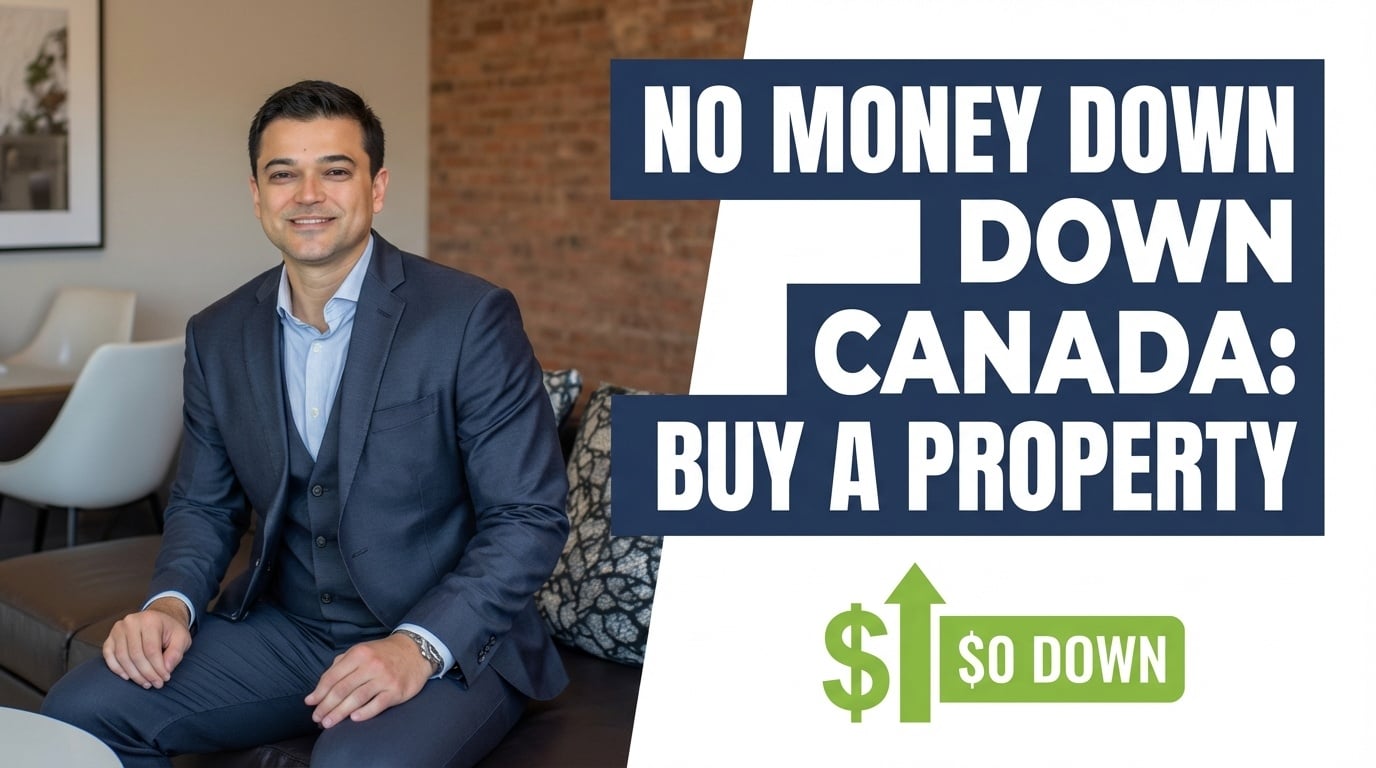
When I first started working with aspiring real estate investors in British Columbia, I heard the same question at least three times a week: “How can I possibly buy rental properties when I don’t have $50,000 sitting in my bank account?” Here’s what most people don’t realize – the traditional 20% down payment isn’t the only gateway to property ownership in Canada. After helping dozens of clients navigate rental property acquisitions with minimal upfront capital, I’ve discovered that creative financing strategies aren’t just theoretical concepts – they’re practical tools that real Canadians are using right now to build wealth through real estate.
If you’re struggling with the massive down payment requirements that seem to stand between you and your first investment property, you’re not alone. But more importantly, there’s a proven path forward that doesn’t require you to save for decades before taking action.
Understanding Zero-Down Payment Pathways for Canadian Homebuyers
The Canadian real estate market has evolved significantly, and with it, the financing options available to prospective buyers have expanded beyond conventional mortgages. While traditional lenders typically require substantial down payments – especially for investment properties – several legitimate strategies exist that can dramatically reduce or eliminate this barrier entirely.
What exactly constitutes a no-money-down approach? It’s any financing structure that allows you to acquire property without contributing the traditional upfront cash from your personal savings. This doesn’t mean the property is free; it means the initial capital comes from sources other than your checking account.
For first-time home buyers navigating BC’s property market, understanding these alternatives is particularly crucial. The conventional wisdom of “save 20% first” often delays wealth-building for years or even decades – time during which property values continue rising, pushing the goal posts further away.
Traditional Down Payment Requirements vs. Alternative Approaches
In Canada, the minimum down payment requirements vary based on purchase price and property type. For homes under $500,000, buyers can secure financing with as little as 5% down if it’s their primary residence. However, investment properties traditionally require 20% minimum, which on a $600,000 rental property means coming up with $120,000 cash.
The average down payment Canadian buyers actually contribute is often higher than these minimums, but that doesn’t mean you must follow the crowd. Understanding the distinction between deposits and down payments is your first step toward developing a smarter acquisition strategy.
Government Programs Enabling Zero-Down Home Purchases
Many Canadians don’t realize that various government initiatives exist specifically to help buyers overcome down payment obstacles. These programs won’t directly finance rental properties, but they can help you acquire your primary residence without traditional down payments – freeing up your capital for investment purposes.
Provincial and Federal Assistance Programs
Government programs designed for first-time buyers in BC include several valuable options. The BC Home Owner Mortgage and Equity Partnership (BC HOME Partnership) allows eligible buyers to reduce the amount they need to borrow by receiving a loan equal to 5% of the purchase price.
The First-Time Home Buyer Incentive (though recently ended, similar programs continue emerging) demonstrated how government-backed initiatives can reduce monthly mortgage payments through shared equity arrangements. Staying informed about current programs is essential, as these offerings change frequently based on housing policy priorities.
For qualifying buyers, the BC property transfer tax exemption can save thousands of dollars that would otherwise be due at closing – effectively reducing the cash needed to complete your purchase.
Leveraging Home Equity Mortgage: Turning Current Assets Into Investment Capital to Buy Rental Properties
If you already own a primary residence, you’re sitting on potentially the most powerful tool for acquiring rental properties without additional cash. Home equity lines of credit (HELOCs) and home equity loans allow you to borrow against the value you’ve built in your existing property.
Here’s how it works in practice: Let’s say you purchased a home in Vancouver five years ago for $700,000 with a $500,000 mortgage. Today, that property is worth $850,000, and your mortgage balance has dropped to $450,000. You now have $400,000 in equity – and you can typically borrow up to 65% of your home’s value minus your mortgage.
This means you could potentially access $102,500 ($850,000 × 65% = $552,500 – $450,000 = $102,500) to use as a down payment on an investment property, all without selling your current home. The interest on funds used for investment purposes may even be tax-deductible, though you should verify this with a qualified tax professional.
When calculating the potential return on your rental property investment, factor in the cost of borrowing against your equity – but don’t let interest rates alone discourage you if the numbers show positive cash flow.
Seller Financing: Negotiating Creative Purchase Agreements For Rental Property with No Money Down
One of the most overlooked strategies in Canadian real estate is seller financing, where the property seller essentially acts as the bank. This arrangement can take several forms, but the basic principle involves the seller agreeing to receive payment over time rather than receiving the full purchase price at closing.
Why would a seller agree to this? Several situations make seller financing attractive:
- The property has been on the market for an extended period
- The seller wants to defer capital gains for tax purposes
- The property requires work that traditional lenders won’t finance
- The seller values consistent income over immediate liquidity
Understanding how agreements for sale work in BC is essential before pursuing this strategy. These contracts create a unique relationship where you gain possession and equity-building opportunities while the seller retains legal title until predetermined conditions are met.
Private Lending Arrangements for Investment Properties & Buying a House
Private lenders operate outside the traditional banking system, offering more flexibility in their lending criteria. While these lenders typically charge higher interest rates (often 6-12% vs. 3-5% for traditional mortgages), they evaluate deals differently, sometimes focusing more on the property’s income potential than your personal credit score.
Private money can come from:
- High-net-worth individuals seeking better returns than traditional investments
- Private lending companies specializing in real estate
- Friends or family members (structure these carefully to preserve relationships)
- Investment groups pooling capital for real estate lending
Buying a home without traditional mortgage loans might seem impossible, but thinking outside the box reveals innovative payment options. Some sellers offer more flexible terms and can help you buy without the traditional upfront cash or strict credit score requirements. Consider creative strategies like assuming existing mortgages, lease-to-own agreements, or seller financing when you don’t have enough for a down payment or face challenges due to credit issues.
A home with no down payment is achievable through Government programs that don’t require a down payment, though they may include mortgage insurance. As a real estate investment strategy, purchasing a second home through creative financing and eventually selling the property can build wealth over time.
Hard Money Lending: Short-Term Solutions for Quick Acquisitions
Hard money lenders differ from private lenders primarily in their terms and target scenarios. These lenders typically provide short-term financing (6-24 months) secured by the property itself, with less concern about your financial situation and more focus on the property’s value and potential.
Hard money makes sense when:
- You’ve found an undervalued property requiring renovation
- You plan to flip the house rather than hold long-term
- You need to close quickly to secure a competitive deal
- Traditional financing would take too long or isn’t available
Joint Venture Partnerships: Combining Resources for Mutual Benefit
If you have real estate expertise, deal-finding abilities, or property management skills but lack capital, partnering with someone who has funds but no time or knowledge creates a powerful combination. Joint ventures allow both parties to benefit from real estate ownership that neither could achieve alone.
Typical joint venture structures include:
- You find and manage the property; your partner provides capital
- You split ownership 50/50 with clearly defined roles and responsibilities
- Profits and appreciation are shared based on your agreement
- Both parties have skin in the game, aligning interests
Buying a house jointly with parents in Canada represents one common joint venture approach, where family members combine resources to enter the market sooner. Purchasing property alongside multiple owners requires careful legal documentation but opens doors that remain closed to individual buyers.
The Rent-to-Own Strategy: Building Equity While Testing Homeownership
Rent-to-own arrangements in BC create a middle ground between renting and owning. These agreements typically involve renting a property for a set period (often 1-3 years) with a portion of your monthly payment credited toward a future down payment.
How rent-to-own agreements typically work:
- You agree on a future purchase price (often at current market value)
- You pay an upfront option fee (typically 2-5% of the purchase price)
- Your monthly rent includes an additional “rent credit” amount
- At the end of the term, you can purchase the property, applying your accumulated credits toward the down payment
Understanding the pros and cons of rent-to-own homes helps you evaluate whether this strategy fits your situation.
Identifying High-Performance Investment Properties in BC
Once you’ve secured financing, selecting the right property becomes paramount. Top cities for purchasing rental properties in BC vary depending on your investment goals – cash flow vs. appreciation, student rentals vs. family homes, or urban vs. suburban locations.
Key factors I evaluate when assessing rental properties:
- Rental yield (annual rental income divided by property value)
- Vacancy rates in the specific neighborhood
- Employment trends and economic stability
- Transportation access and community amenities
- Property condition and anticipated maintenance costs
- Potential for positive cash flow after all expenses
Whether condos make good investments in BC depends on factors like maintenance fees, rental restrictions in the strata bylaws, and the specific sub-market. Meanwhile, duplex properties offer unique advantages for investors, allowing you to live in one unit while renting the other – a strategy that can qualify for owner-occupied financing rates even though it’s partially an investment.
Understanding Your Complete Cost Picture
Beyond down payments, closing costs when buying a home in BC typically add 2-4% to your total acquisition expenses. These include legal fees, property transfer tax (unless you qualify for exemptions), title insurance, home inspections, and appraisal fees.
Legal fees for buying a house in BC generally range from $1,500-$3,000 depending on complexity. While these costs seem daunting when you’re trying to minimize upfront capital, they’re often financeable or can be negotiated into your overall deal structure.
Tax Advantages That Improve Your Investment Returns
Canadian tax law provides several advantages for rental property owners that effectively reduce your ownership costs. Mortgage interest on investment properties is tax-deductible, as are property management fees, insurance, maintenance costs, property taxes, and depreciation.
These deductions can substantially improve your actual return on investment. A property that appears to break even on paper might generate considerable tax benefits that make it highly profitable in practice. However, tax rules are complex and change periodically, so working with an accountant who specializes in real estate is essential.
The tax implications of real estate investing in Vancouver and other BC markets deserve careful attention, as provincial and municipal rules can affect your overall strategy.
Managing Your Investment Property for Maximum Returns
Acquisition is just the beginning – effective property management determines whether your investment generates wealth or becomes a financial burden. Whether you self-manage or hire professional management, understanding the costs of professional property management helps you make informed decisions.
Essential management considerations include:
- Tenant screening processes to minimize vacancy and damage
- Regular maintenance schedules to prevent small problems from becoming expensive repairs
- Understanding landlord-tenant law in British Columbia
- Setting appropriate rent levels that balance income with tenant retention
- Maintaining adequate insurance coverage and emergency reserves
Risk Management: Protecting Your Investment Strategy
The greatest risks of investing in real estate include market downturns, extended vacancies, major repairs, and problematic tenants. When you’ve acquired property with no money down, you have less equity cushion to absorb these challenges, making risk management even more critical.
Key risk mitigation strategies:
- Maintain emergency reserves covering at least 3-6 months of expenses
- Purchase adequate insurance, including landlord-specific coverage
- Screen tenants thoroughly using credit checks, employment verification, and reference calls
- Budget for regular maintenance to prevent deferred maintenance crises
- Stay informed about how rising interest rates affect the housing market
Building Long-Term Wealth Through Strategic Real Estate Investment
The journey from “I can’t afford a down payment” to successful real estate investor requires education, creativity, and persistence. What passive real estate investing entails might appeal to some investors, while others prefer the hands-on approach of direct property ownership.
For those still determining whether they can afford a home in Vancouver, BC, remember that affordability isn’t solely about your current bank balance – it’s about structuring financing creatively to match your circumstances with available opportunities.
Alternative Property Acquisition Approaches
Beyond traditional residential rentals, buying land in BC represents another investment avenue, often with different financing parameters. Pre-rental properties – new construction units specifically marketed to investors – sometimes offer developer financing incentives that reduce down payment requirements.
Even comparing the best provinces for real estate investment in Canada can uncover opportunities with different financing landscapes and better cash-flow potential than your local market.
Taking Action: Your Next Steps Toward Property Ownership
Reading about strategies is valuable, but implementation creates results. Start by:
- Assessing your current financial situation honestly – what resources do you actually have available?
- Determining your investment timeline – how long buying a house typically takes in BC
- Researching current financing programs and options specific to your circumstances
- Building relationships with mortgage brokers, private lenders, and experienced investors
- Analyzing actual properties in your target market to understand realistic numbers
- Consulting with qualified professionals including realtors specializing in investment properties, mortgage brokers, lawyers, and accountants
Remember that buying a house in Vancouver, BC or anywhere in the province is a process, not an event. Each conversation, each property you analyze, and each financing option you explore brings you closer to your goal.
Final Thoughts: The Reality of No-Money-Down Real Estate
Ready to pursue your long-term financial goals through real estate investment trusts or direct property purchases? Whether you want to buy a house with no down payment, explore ways to buy a rental property with the option for creative financing, or save for a down payment on a multi-unit property, Richard Morrison is the experienced real estate agent who can guide you through every step. Understanding the investment property market and buying rental property in Canada requires expert knowledge of Canada mortgage options, repayment strategies, and programs that offer down payment assistance.
From securing a home without a down payment to investing in rental properties with little money down in Canada, Richard works alongside your financial advisor to align home ownership with your financial goals. Whether you’re looking to buy an investment property, negotiate an option to buy with the seller of the property, or explore purchasing without a traditional down payment, Richard’s expertise in the rental property in Canada market ensures you make informed decisions about your new property.
Contact Richard Morrison today to discuss how to buy a rental property that matches your investment strategy and start building wealth through real estate!

Let's Chat! Looking for a REALTOR® who can exceed your expectations? Look no further than Richard Morrison! His mission is to serve without limit & provide solutions that cater to your core needs.
• 20+ Years of Experience
• Medallion Member
• RE/MAX Hall of Fame

Latest Properties Added
| Property | Size | Price | Date Listed |
|---|---|---|---|
| 141 27th Street, North Vancouver | 1,651 sqft | $1,899,000 | Sep 13, 2026 |
| 2-2509 Kitchener Street, Vancouver | 1,284 sqft | $1,298,800 | Sep 12, 2026 |
| 1406-938 Smithe Street, Vancouver | 761 sqft | $799,000 | Sep 11, 2026 |
| 2802-1033 Marinaside Crescent, Vancouver | 583 sqft | $639,000 | Sep 11, 2026 |
| 386 45th Avenue, Vancouver | 1,762 sqft | $2,199,900 | Sep 10, 2026 |
| 207-378 45th Avenue, Vancouver | 1,329 sqft | $1,478,900 | Sep 10, 2026 |
| 108-378 45th Avenue, Vancouver | 745 sqft | $879,900 | Sep 10, 2026 |
| 1-1958 60th Avenue, Vancouver | 1,463 sqft | $1,899,900 | Sep 9, 2026 |
| 2-1956 60th Avenue, Vancouver | 1,463 sqft | $1,899,900 | Sep 9, 2026 |
| 1-1956 60th Avenue, Vancouver | 1,463 sqft | $1,899,900 | Sep 9, 2026 |
| 6222 Logan Lane, Vancouver | 1,622 sqft | $1,250,000 | Sep 7, 2026 |
| 4339 Granville Street, Vancouver | 4,672 sqft | $6,500,000 | Sep 11, 2026 |
Start your search with Richard Morrison, Top Award Winning Vancouver Realtor
Contact Richard Morrison Top Vancouver Realtor today to find a Vancouver houses for sale and Vancouver condos for sale. Also check out Burnaby houses for sale or maybe Burnaby condos for sale. If you prefer North Shore, take a look at our listings in North Vancouver houses for sale and North Vancouver condos for sale.