Why isn’t my House Selling? Reasons Why Your House Isn't Selling in BC
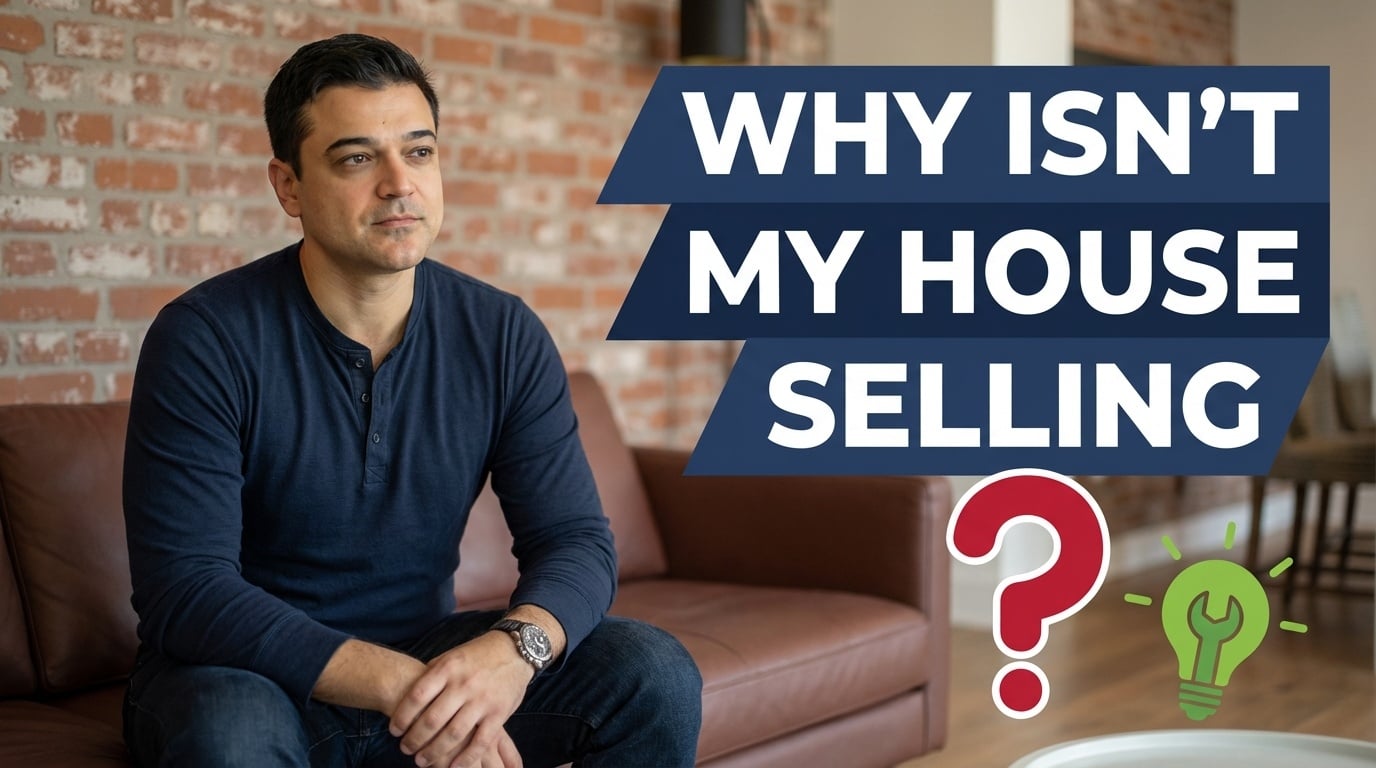
When I first started helping sellers navigate Vancouver’s real estate market fifteen years ago, I thought pricing was everything. But after watching hundreds of properties languish on the market while others sold in days, I realized the truth about why homes don’t sell is far more complex than most people imagine. If you’re struggling to get offers on your Metro Vancouver property, you’re not alone – and more importantly, there’s a proven roadmap that addresses the specific challenges sellers face in our unique market.
The Metro Vancouver housing market has shifted dramatically over the past few years. What worked during the frenzied seller’s market of 2020-2021 won’t work today. Many homeowners are discovering that their property just sits there, week after week, with few showings and even fewer serious offers. Let’s dig into the real reasons why your home isn’t selling and what you can actually do about it.
The Seller Overpricing Trap: When Ambition Exceeds Market Reality
Here’s something most sellers don’t want to hear: your home is probably overpriced. I know, I know – you’ve invested years of memories and thousands of dollars into that property. But the market doesn’t care about your emotional attachment or how much you spent on renovations.
When you price your home above current market value, you’re essentially asking buyers to overpay. And guess what? They won’t. Today’s buyers have access to the same data we do. They’re comparing your property to every other listing in your neighborhood, and if yours is priced significantly higher, they’ll simply move on.
The danger of overpricing extends beyond just scaring away potential buyers. It actually creates a stigma around your property. After your home sits on the market for 30, 60, or 90 days, buyers start wondering what’s wrong with it. Even if you eventually lower the price, that initial overpricing has already damaged your home’s market perception.
I’ve seen this play out countless times. A seller insists on listing at $1.8 million when comparable homes are selling for $1.6 million. Three months later, after multiple price reductions, they finally accept an offer for $1.55 million – less than they would have received if they’d priced correctly from the start.
Understanding Vancouver’s Price Dynamics
Pricing strategies in Metro Vancouver require local expertise. What works in Surrey doesn’t necessarily work in West Vancouver. The difference between asking price and actual selling price varies significantly by neighborhood, property type, and current market conditions.
You need to understand how to accurately estimate your property’s value based on recent comparable sales – not what your neighbor’s cousin says their property is worth, and definitely not what you saw on Zillow. The assessed value you receive from BC Assessment is useful, but it’s not the same as market value.
First Impressions That Fall Flat: The Presentation Problem
You’ve heard the saying: you never get a second chance at a first impression. This couldn’t be more true in real estate. When potential buyers pull up to your property or click on your listing online, they form an opinion within seconds.
Let me share a story. Last year, I listed a beautiful 1950s character home in East Vancouver. The interior was gorgeous – hardwood floors, updated kitchen, loads of charm. But the front yard? Overgrown shrubs, peeling paint on the porch, and a rusty mailbox. We got zero showings in the first week.
After convincing the seller to invest $800 in landscaping and fresh paint, we had three offers within ten days. That’s the power of curb appeal – or the cost of ignoring it.
The Visual Marketing Mistake: Listing Photos & Curb Appeal
If your listing photos look like they were taken with a flip phone from 2005, you’re dead in the water. Ninety-seven percent of homebuyers start their search online, and your photos are literally your home’s first impression. Dark, blurry, or poorly composed images will get your listing scrolled past faster than you can say “open house.”
Professional photography isn’t optional anymore – it’s essential. But it’s not just about hiring someone with a nice camera. Your home needs to be properly staged and prepared before those photos are taken.
Empty homes photograph terribly. They look cold, small, and uninviting. But cluttered homes are just as bad – buyers can’t visualize themselves in a space that’s packed with your stuff. The goal is to create a neutral, appealing canvas that helps buyers imagine their own life in the space.
I always tell sellers: if you’re serious about selling, you need to make your home look better than it ever has before. That means getting your house properly ready for sale, which might involve decluttering, deep cleaning, fresh paint, and strategic furniture placement.
The Wrong Agent Can Cost You Months (and Thousands)
Not all real estate agents are created equal. Some are part-timers who treat the business like a hobby. Others are full-time professionals with deep local expertise and proven marketing strategies.
If your home isn’t selling, it’s worth asking yourself: is my agent actually working for me? Are they providing regular feedback? Adjusting strategy based on market response? Being honest about pricing?
A mediocre agent will list your home on MLS, stick a sign in the yard, and wait for the phone to ring. A great agent actively markets your property through multiple channels, networks with other agents, hosts engaging open houses, and provides strategic guidance throughout the entire process.
Sometimes switching real estate agents is the best decision you can make. I’ve taken over listings from other agents and sold them within weeks simply by implementing a proper marketing strategy and pricing the home correctly.
When choosing a realtor to sell your home, look for someone with specific experience in your neighborhood and property type. Ask about their marketing plan, recent sales, and how they handle challenging market conditions. The right real estate company makes all the difference.
Neglecting Small Repairs That Scream “Problem Property”
Buyers are looking for reasons to negotiate down – or walk away entirely. Every little thing they notice becomes ammunition in their mental calculation of what your home is worth.
That leaky faucet? That’s $500 off their offer. The cracked tile in the bathroom? Another $300. The doorbell that doesn’t work? Sure, it only costs $40 to fix, but to a buyer, it signals neglect.
I once toured a home with a client where the seller had clearly done some nice updates – new appliances, refinished floors. But when we opened the pantry door, the handle literally came off in my client’s hand. That single moment killed the entire sale. The buyer couldn’t stop thinking about what other things might be falling apart behind the walls.
Before listing your home, walk through it with a critical eye and make the necessary improvements. Fix obvious problems, replace burnt-out light bulbs, repair that squeaky door, touch up paint where needed. These small investments pay massive dividends.
The Staging Disaster (or Complete Absence)
I’ve walked into countless listings where the “staging” consists of pushing all the furniture against the walls or, even worse, leaving the home completely empty. Both approaches are terrible.
Proper staging isn’t about decoration – it’s about strategic presentation. It’s showing buyers how to use each space effectively and highlighting your home’s best features. Staging helps buyers visualize themselves living in the space, and study after study shows that staged homes sell faster and for more money.
You don’t necessarily need to spend thousands on professional staging. Sometimes simple improvements make all the difference. Remove half your furniture to make rooms look larger. Rearrange what’s left to create better flow. Add a few stylish accessories to create warmth without clutter.
Pay special attention to key rooms: the living room, master bedroom, and kitchen. These are the spaces that sell homes. Make sure they look their absolute best.
Inadequate Marketing in a Digital World
Your home is competing with hundreds of other listings. If your agent’s marketing strategy consists solely of “list it on MLS and hope for the best,” you’re at a serious disadvantage.
Today’s comprehensive marketing approach includes professional photography, video tours, targeted social media advertising, email campaigns to agents and potential buyers, and strategic open house events.
Virtual tours have become essential, especially for out-of-town buyers or those who want to narrow down their options before scheduling in-person viewings. If your listing doesn’t include high-quality video or 3D walkthrough technology, you’re limiting your pool of potential buyers.
The listing description matters too. Generic, boring text that simply lists features doesn’t engage buyers emotionally. Your listing needs to tell a story and highlight what makes your property special.
Reading the Market Wrong: Timing and Context
Sometimes homes don’t sell simply because market conditions have shifted. What was a hot seller’s market six months ago might be a balanced or even buyer’s market today.
Understanding whether you’re in a seller’s market versus a buyer’s market is crucial for setting realistic expectations. The current Vancouver market dynamics require different strategies than what worked during the pandemic boom.
Pay attention to months of inventory in your specific area and price range. If inventory is high and sales are slow, you need to be more aggressive with pricing and presentation. You can’t control the market, but you can control how you respond to it.
Timing matters too. While there’s never a “perfect” time to sell, certain seasons perform better than others in Metro Vancouver. Spring typically brings more buyers, while late November and December tend to be slower. Understanding typical timelines for selling helps you set realistic expectations.
Being Inflexible with Showings and Offers
If potential buyers can only view your home between 2:00 and 3:00 on Tuesdays, you’re dramatically limiting your market. I get it – having your home show-ready all the time is exhausting. But the more accessible you make your property, the more buyers will see it.
Some sellers are also inflexible when it comes to offers. They reject anything that’s not full price or better, or they refuse to negotiate on terms like closing dates or included appliances. This rigidity often backfires.
When you receive an offer – even if it’s lower than you’d like – it’s worth considering. Handling lowball offers strategically might lead to successful negotiation. Every offer is an opportunity for negotiation, and sometimes the first offer really is your best offer.
Ignoring Buyer Feedback
After showings, agents typically provide feedback from potential buyers. This information is gold, but many sellers dismiss it or get defensive.
If multiple buyers comment that your home feels dark, don’t argue – add more lighting. If they consistently mention a strange odor, address it immediately. If they think the price is too high, listen.
Buyer feedback tells you exactly what’s preventing a sale. Ignoring it because you don’t want to hear the truth is a recipe for a stale listing.
Factors You Can’t Control (But Need to Acknowledge)
Sometimes, despite your best efforts, certain factors are working against you. Maybe you live on a busy street, or your property has an unconventional layout. Perhaps interest rates have risen significantly, reducing buyer purchasing power.
These various factors affect property value in ways you can’t always change. The key is to acknowledge these limitations and adjust your strategy accordingly – usually through more aggressive pricing or enhanced marketing to find the right buyer who doesn’t view your “negatives” as dealbreakers.
The Path Forward: Creating Your Action Plan
So your home isn’t selling. What now?
First, schedule an honest conversation with your agent. Review everything: pricing, marketing, property presentation, showing feedback. If you’re not getting satisfactory answers or you sense your agent isn’t fully engaged, it might be time to consider making a change.
Second, take a hard look at your price. If you’ve been on the market for more than 30 days without solid offers, your price is likely too high. Yes, dropping your price feels like losing, but staying overpriced for months while your listing goes stale is far worse.
Third, reassess your property’s presentation. Can you improve curb appeal? Update photos? Stage more effectively? Even small changes can refresh a listing and generate new interest.
Fourth, expand your marketing efforts. Are you using every available channel? Social media? Video? Email campaigns? Agent networking? The more exposure your property gets, the better your chances of finding the right buyer.
Remember, selling a home in today’s Metro Vancouver market requires strategy, patience, and sometimes a willingness to make tough decisions. But by avoiding common seller mistakes and implementing proven tactics, you can get your property sold at a price you’re happy with.
Final Thoughts: Turning Your Stagnant Listing Around
If you’re dealing with selling anxiety, know that you’re not alone and that solutions exist. Sometimes properties come back on the market after accepted offers fall through – it happens more often than you think.
The Metro Vancouver market is unique, competitive, and constantly evolving. What worked last year might not work today. That’s why working with an experienced local realtor who understands current conditions and has a track record of success is so critical. Whether you’re selling a specific type of property like a condo or navigating comprehensive selling tips specific to Vancouver, local expertise matters.
If your house on the market is not selling or is priced too high, take a step back and consider the common reasons buyers pass by: limited market exposure, few open houses and showings, or a home staging that doesn’t let buyers search for homes see the potential. A home value estimator or a savvy real estate professional can show whether your value in your home is priced right or priced higher than current local market and current market trends.
To get your home sold and maximize return on investment, the right agent can increase market exposure, generate a lot of showings, and attract many buyers. If you need to sell my house urgently or want tips on the selling process, talk to your agent — or contact Richard Morrison to schedule a home tour and ensure someone is willing to pay the price you want.
When it comes to selling your home, understanding the top reasons why your house is not selling is crucial. Whether your home for sale is priced too high, lacks proper home staging, or needs better market exposure, identifying these common reasons can help get your home sold. As a home seller, you need a real estate professional who understands current market trends and knows what many buyers want.
Richard Morrison specializes in helping homebuyers and sellers navigate the selling process successfully. He uses a comprehensive home value estimator to ensure your house on the market is priced right, maximizing your return on investment. His agent can help you take a step back and reassess your strategy, from optimizing open houses and showings to helping buyers see the potential value in your home.
Whether you need to sell urgently or want to understand why your priced higher property isn’t attracting home buyers, Richard knows your local market. The right agent makes all the difference when it comes to selling – someone who can talk to your agent about every home tour and adjust based on what someone is willing to pay.
Ready to sell my house? Contact Richard Morrison today to discuss how to position your home on the market effectively, attract a lot of showings, and achieve the results you deserve in this competitive market where buyers search for homes that meet their needs perfectly.

Let's Chat! Looking for a REALTOR® who can exceed your expectations? Look no further than Richard Morrison! His mission is to serve without limit & provide solutions that cater to your core needs.
• 20+ Years of Experience
• Medallion Member
• RE/MAX Hall of Fame

Latest Properties Added
| Property | Size | Price | Date Listed |
|---|---|---|---|
| 141 27th Street, North Vancouver | 1,651 sqft | $1,899,000 | Sep 13, 2026 |
| 2-2509 Kitchener Street, Vancouver | 1,284 sqft | $1,298,800 | Sep 12, 2026 |
| 1406-938 Smithe Street, Vancouver | 761 sqft | $799,000 | Sep 11, 2026 |
| 2802-1033 Marinaside Crescent, Vancouver | 583 sqft | $639,000 | Sep 11, 2026 |
| 386 45th Avenue, Vancouver | 1,762 sqft | $2,199,900 | Sep 10, 2026 |
| 207-378 45th Avenue, Vancouver | 1,329 sqft | $1,478,900 | Sep 10, 2026 |
| 108-378 45th Avenue, Vancouver | 745 sqft | $879,900 | Sep 10, 2026 |
| 1-1958 60th Avenue, Vancouver | 1,463 sqft | $1,899,900 | Sep 9, 2026 |
| 2-1956 60th Avenue, Vancouver | 1,463 sqft | $1,899,900 | Sep 9, 2026 |
| 1-1956 60th Avenue, Vancouver | 1,463 sqft | $1,899,900 | Sep 9, 2026 |
| 6222 Logan Lane, Vancouver | 1,622 sqft | $1,250,000 | Sep 7, 2026 |
| 4339 Granville Street, Vancouver | 4,672 sqft | $6,500,000 | Sep 11, 2026 |
Start your search with Richard Morrison, Top Award Winning Vancouver Realtor
Contact Richard Morrison Top Vancouver Realtor today to find a Vancouver houses for sale and Vancouver condos for sale. Also check out Burnaby houses for sale or maybe Burnaby condos for sale. If you prefer North Shore, take a look at our listings in North Vancouver houses for sale and North Vancouver condos for sale.