Buying an Owner-Built Home: A Comprehensive Guide
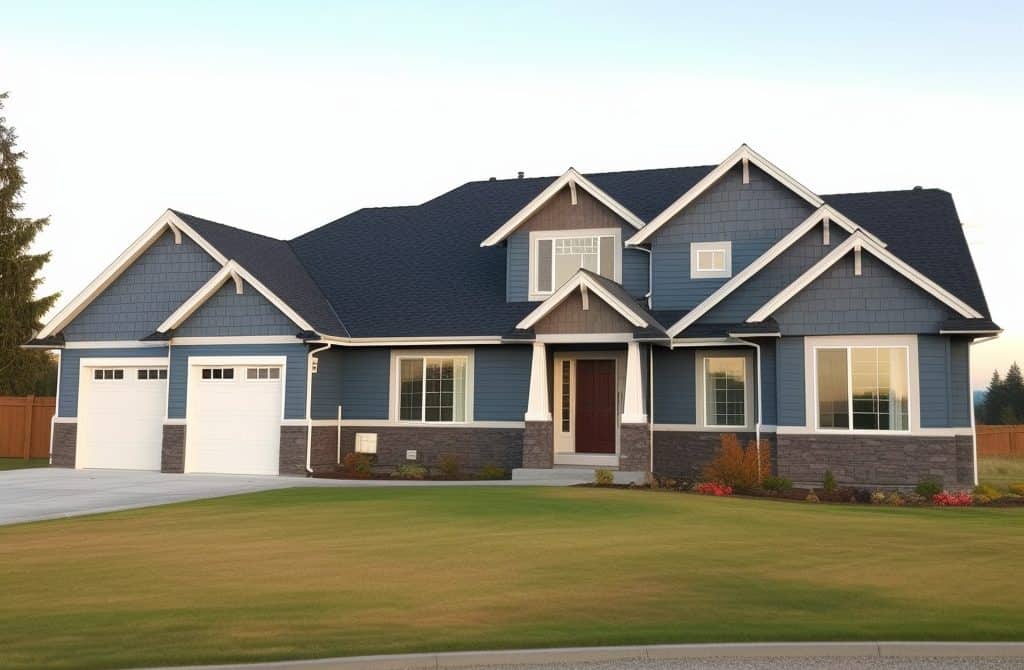
Purchasing an owner-built home can seem daunting, but being prepared and informed will set you up for success. This comprehensive guide covers everything you need to know when buying an owner-built home in British Columbia.
Key Takeaways
- Owner-built homes are constructed by the owner acting as the general contractor, not a licensed builder. This means they do not come with a home warranty.
- Owners must live in an owner-built home for at least one year before selling. Special permission is required to sell earlier.
- Owner-builders are liable for defects in materials, labor, and structure for 10 years after occupancy. This obligation transfers to subsequent buyers.
- Carefully research an owner-built home on the New Homes Registry before purchasing to understand your protections.
- Inspections and disclosures are crucial. Take time to identify any issues before completing a sale.
Did you know that over 20% of new home buyers in British Columbia purchase an owner-built home, according to a survey by Richard Morrison? With the right preparation, you can feel confident embarking on this route to homeownership.
Definition of an Owner-Built Home
Read More:
- Do I Need An Owner’s Title Insurance For New Construction?
- How to Buy a House with Multiple Owners
- What Typically Comes With a House When You Purchase It?
- Can a Corporation Buy a House in Canada?
- First Time Home Buyer Tips in BC
- 99 Years Or Bust: Should You Buy a Leasehold Prepaid Non-Strata Property?
An owner-built home is constructed by the owner acting as the general contractor. The key requirements are:
- The owner obtains an Owner Builder Authorization from BC Housing.
- The owner directly manages and oversees construction of the home.
- A licensed builder cannot be hired to assist with construction.
- The home is for the owner’s personal use as a primary residence.
- The owner must live in the home for at least one year after obtaining an occupancy permit.
Unlike a home built by a licensed residential builder, an owner-built home does not come with mandatory third-party home warranty insurance.
This has important implications for buyers, which we’ll explore throughout this guide.
Researching an Owner-Built Home
The BC Housing New Homes Registry allows you to research the status and history of any home registered after November 19, 2007.
You can find key details like:
- If the home has a policy of home warranty insurance.
- If it was built under an Owner Builder Authorization.
- When the 10-year liability period began.
- Whether an Owner Builder Disclosure Notice is on file.
Inspections and Disclosures
Since owner-built homes lack warranty protections, inspections and disclosures are especially critical.
- Home inspection: Hire an inspector familiar with new builds to identify any issues. Look at structure, mechanical systems, and finish details.
- Disclosure notice: The owner must provide a disclosure notice stating if the home has warranty insurance. Review this closely.
- Property disclosure: The Property Disclosure Statement should indicate the home is owner-built. But don’t rely solely on this. Independently verify using the New Homes Registry.
Rules for Selling an Owner-Built Home
Owner-builders cannot sell or rent out their home within one year of occupancy without permission from BC Housing. This ensures a minimum level of construction quality.
Also, the owner must provide a government disclosure notice to buyers for the first 10 years. This states:
- The home was built under Owner Builder Authorization.
- When the 10-year liability period started.
- If the home carries warranty insurance.
Subsequent buyers must also provide this disclosure notice if re-selling within 10 years.
Owner-Builder Liability
Unlike with a licensed builder, the owner-builder retains liability for defects in the home for 10 years after occupancy. This is known as the 2-5-10 warranty:
- 2 years – Covers defects in materials and labor
- 5 years – Covers building envelope defects
- 10 years – Covers structural defects
This obligation legally transfers to any new buyer during the liability period. So if issues arise, you would take them up directly with the owner-builder rather than through a warranty company.
Financing an Owner-Built Home
Some lenders are hesitant to finance owner-built homes. Be sure to speak with potential lenders about their policies and comfort level early in the process.
Providing a comprehensive home inspection report can help reassure lenders about the quality of construction.
Is an Owner-Built Home Right for You?
An owner-built home offers more autonomy in design and finishes. But the lack of warranty transfers more risk to the buyer.
Carefully weigh these trade-offs when deciding if an owner-built home matches your needs and risk tolerance. And be sure to thoroughly research and inspect any property before purchasing. Consider the long-term implications of your choice, including potential maintenance costs and the resale value of your investment.
Additionally, if you’re weighing the pros and cons of Coquitlam living , take into account the community amenities, local schools, and transportation options that may enhance your quality of life. Balancing these factors will help ensure you make a well-informed decision that aligns with your dreams and financial situation.
With proper diligence, buying an owner-built home can be a great way to get into your dream home. Following the guidance in this article will help you make the best decision and safeguard your investment. Understanding how to choose the right house requires thorough inspections, verifying permits, and assessing the quality of construction.
By working with experienced professionals and conducting due diligence, you can avoid potential pitfalls and ensure your new home meets safety and durability standards. Taking these steps will give you confidence in your purchase and protect your financial future.
In my experience as a realtor, taking the time to inspect and understand an owner-built home is the key to a smooth purchase process. Don’t hesitate to involve your real estate professional or lawyer to help look out for your interests. With the right support team, you’ll be well on your way to happy homeownership.
Be sure to thoroughly evaluate the home’s construction quality, as owner-built homes may not always follow standard building practices. Having a checklist of questions to ask when buying a house can help you identify potential issues and ensure the property meets your expectations. By staying informed and working with experts, you can make a confident and well-informed purchase decision.
FAQs
Q: Is my new home covered by home warranty insurance?
A: According to the Homeowner Protection Act, an owner builder may obtain third-party home warranty insurance to cover their newly built home. If this is the case, then the home is covered by home warranty insurance.
Q: What can I do about defects in the building envelope of my new home?
A: The Homeowner Protection Office recommends that a purchaser contact a professional inspector who specializes in building envelope defects. Depending on whether or not the home was covered by home warranty insurance, and whether the home was first occupied before or after December 14, 2018, different steps may be necessary to obtain coverage for any repairs needed due to building envelope defects.
Q: How do I know whether the purchase and sale agreement covers me as a prospective homeowner?
A: A purchase and sale agreement needs to specify that coverage under the Homeowner Protection Act applies if you are purchasing an owner-built new home. This should include information on whether or not the subsequent purchaser will be covered under the Homeowner Protection Act.
Q: Does an owner builder have to occupy their new home?
A: Yes. An owner builder must occupy their new home as their primary residence for at least one year from when they receive occupancy approval from their local government. Exceptions may be made in cases of undue hardship.
Q: What does it mean if a builder must be licensed?
A: If a builder is required to be licensed, this means that they must have certification from either BC Housing or Tarion Warranty Corporation (in Ontario). This certification ensures that certain standards are met while constructing a new building or portion of a building.
Q: Are there any restrictions regarding when an owner builder can sell their newly built house?
A: When selling an owner-built house, it is important to ensure that all requirements of the Homeowner Protection Act are met. This includes placing appropriate documentation on the New Homes Registry and obtaining third-party protection such as warranty insurance. Additionally, if the house was first occupied after December 14th 2018 then either labour and materials warranties must be in place or homeowner protection insurance provided.
Q: What is the New Homes Registry?
A: The New Homes Registry is maintained by BC Housing and allows all homes built after November 1st 1998 (including those built by Owner Builders) to be registered with BC Housing. In order for an Owner Builder’s house to be eligible for registration it must meet certain criteria including having been inspected by BC Safety Authority.
Q: Can an Owner Builder register his/her own house with BC Housing’s New Homes Registry?
A: No – only Licensed Builders may register houses with BC Housing’s New Homes Registry unless permission has been granted through an application process.
Q: Can an Owner Builder build more than one house?
A: Yes , but each house must meet certain regulations . All houses need to comply with relevant zoning regulations, have permits where applicable , and obtain inspections . Furthermore , each house needs its own separate registration on BC Housing’s New Homes Registry.
Q: How does homeowner protection act apply when buying an owner-built home?
A: When buying a newly constructed single family residence from an Owner Builder , it is important for prospective purchasers to determine whether homeowner protection act requirements have been met. These requirements may include proper documentation being placed on the New Homes Registry, obtaining third – party coverage such as warranty insurance, and ensuring that labour and material warranties are in place if applicable.
Conclusion
Buying an owner-built home can be a risky purchase, and it is important to ensure that there is home warranty insurance in place. It is also important to consider whether the home was built under section 23 of the Home Building Act 1989. An owner built home may have defects in materials and labour, so it is important to act or obtain third-party home inspections before entering into any contracts.
The law also requires that owners must build the home themselves for at least six months before they can sell it, which informs buyers whether the home has been built by a registered builder or an owner builder.
The voluntary policy of home warranty insurance also applies to owner builders who are permitted to sell their homes without prior permission from the Home Building Compensation Fund. If there are problems with materials and labour, then the homeowner may have a claim against the owner builder in prescribed form. This means a person who builds or renovates their own residence is required by law to provide a disclosure notice within the first seven days of signing a contract.
When it comes to buying an owner-built home, an owner builder may be permitted to do so depending on the claim. However, permission must be sought first in order to sell the home and a notice within the first 10 years must inform buyers whether or not the house is an owner-built dwelling. This disclosure notice must be in the prescribed form respecting residential construction in British Columbia and must include information about the licensure of the builder under the act.
Furthermore, section 23 of the act requires that subsequent owners must also provide a notice in the prescribed form respecting residential construction in British Columbia within the first 10 years of ownership. Ultimately, it is possible for an owner builder to sell their own home but they will need to ensure they meet all legal requirements beforehand.
Sources: br>https://www.bchousing.org/licensing-consumer-services/owner-builder/buying-selling-owner-built-home br>https://www.bcfsa.ca/industry-resources/real-estate-professional-resources/knowledge-base/guidelines/homeowner-protection-act-guidelines

Let's Chat! Looking for a REALTOR® who can exceed your expectations? Look no further than Richard Morrison! His mission is to serve without limit & provide solutions that cater to your core needs.
• 20+ Years of Experience
• Medallion Member
• RE/MAX Hall of Fame

Latest Properties Added
| Property | Size | Price | Date Listed |
|---|---|---|---|
| 141 27th Street, North Vancouver | 1,651 sqft | $1,899,000 | Sep 13, 2026 |
| 2-2509 Kitchener Street, Vancouver | 1,284 sqft | $1,298,800 | Sep 12, 2026 |
| 1406-938 Smithe Street, Vancouver | 761 sqft | $799,000 | Sep 11, 2026 |
| 2802-1033 Marinaside Crescent, Vancouver | 583 sqft | $639,000 | Sep 11, 2026 |
| 386 45th Avenue, Vancouver | 1,762 sqft | $2,199,900 | Sep 10, 2026 |
| 207-378 45th Avenue, Vancouver | 1,329 sqft | $1,478,900 | Sep 10, 2026 |
| 108-378 45th Avenue, Vancouver | 745 sqft | $879,900 | Sep 10, 2026 |
| 1-1958 60th Avenue, Vancouver | 1,463 sqft | $1,899,900 | Sep 9, 2026 |
| 2-1956 60th Avenue, Vancouver | 1,463 sqft | $1,899,900 | Sep 9, 2026 |
| 1-1956 60th Avenue, Vancouver | 1,463 sqft | $1,899,900 | Sep 9, 2026 |
| 6222 Logan Lane, Vancouver | 1,622 sqft | $1,250,000 | Sep 7, 2026 |
| 4339 Granville Street, Vancouver | 4,672 sqft | $6,500,000 | Sep 11, 2026 |
Start your search with Richard Morrison, Top Award Winning Vancouver Realtor
Contact Richard Morrison Top Vancouver Realtor today to find a Vancouver houses for sale and Vancouver condos for sale. Also check out Burnaby houses for sale or maybe Burnaby condos for sale. If you prefer North Shore, take a look at our listings in North Vancouver houses for sale and North Vancouver condos for sale.